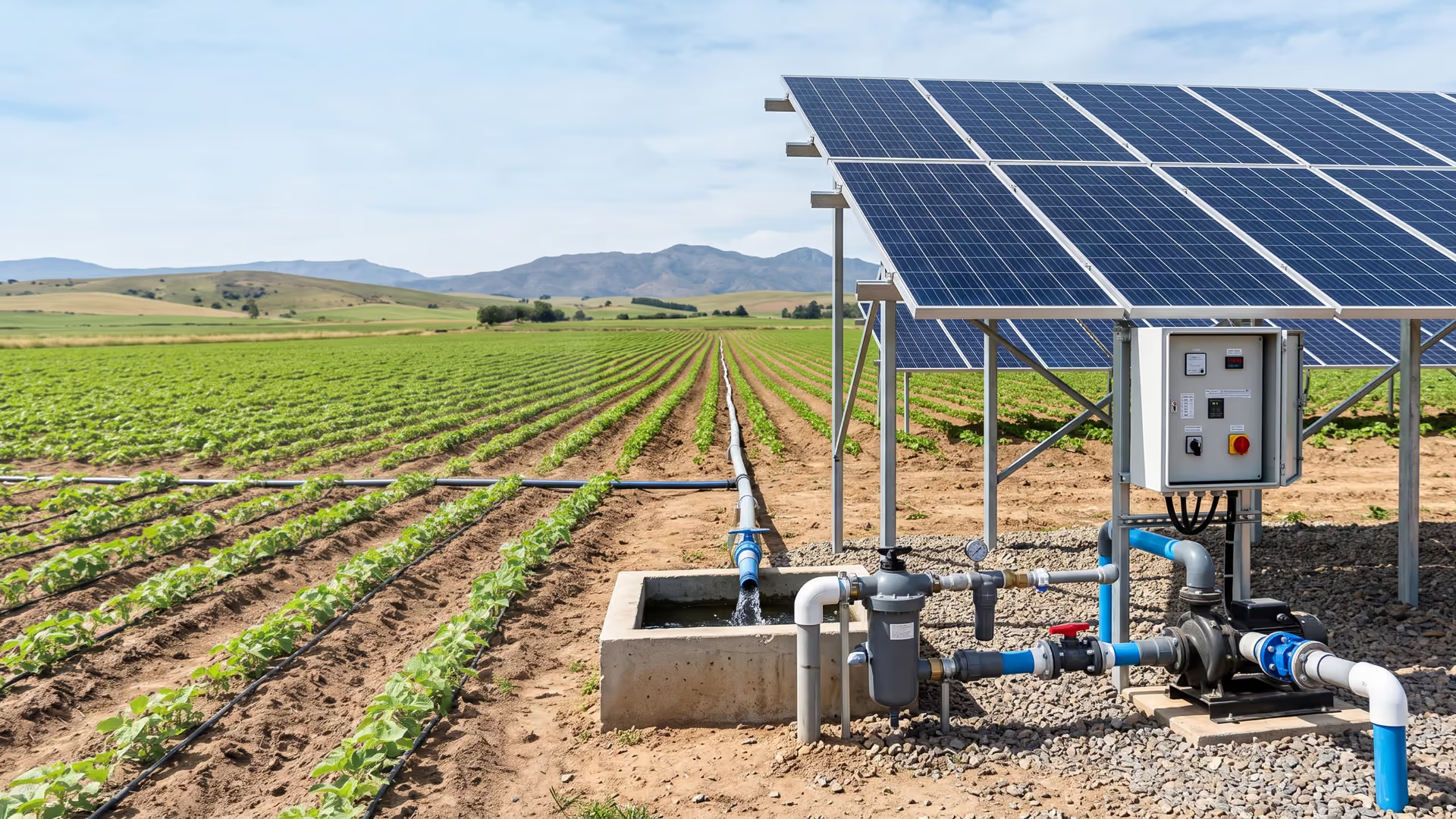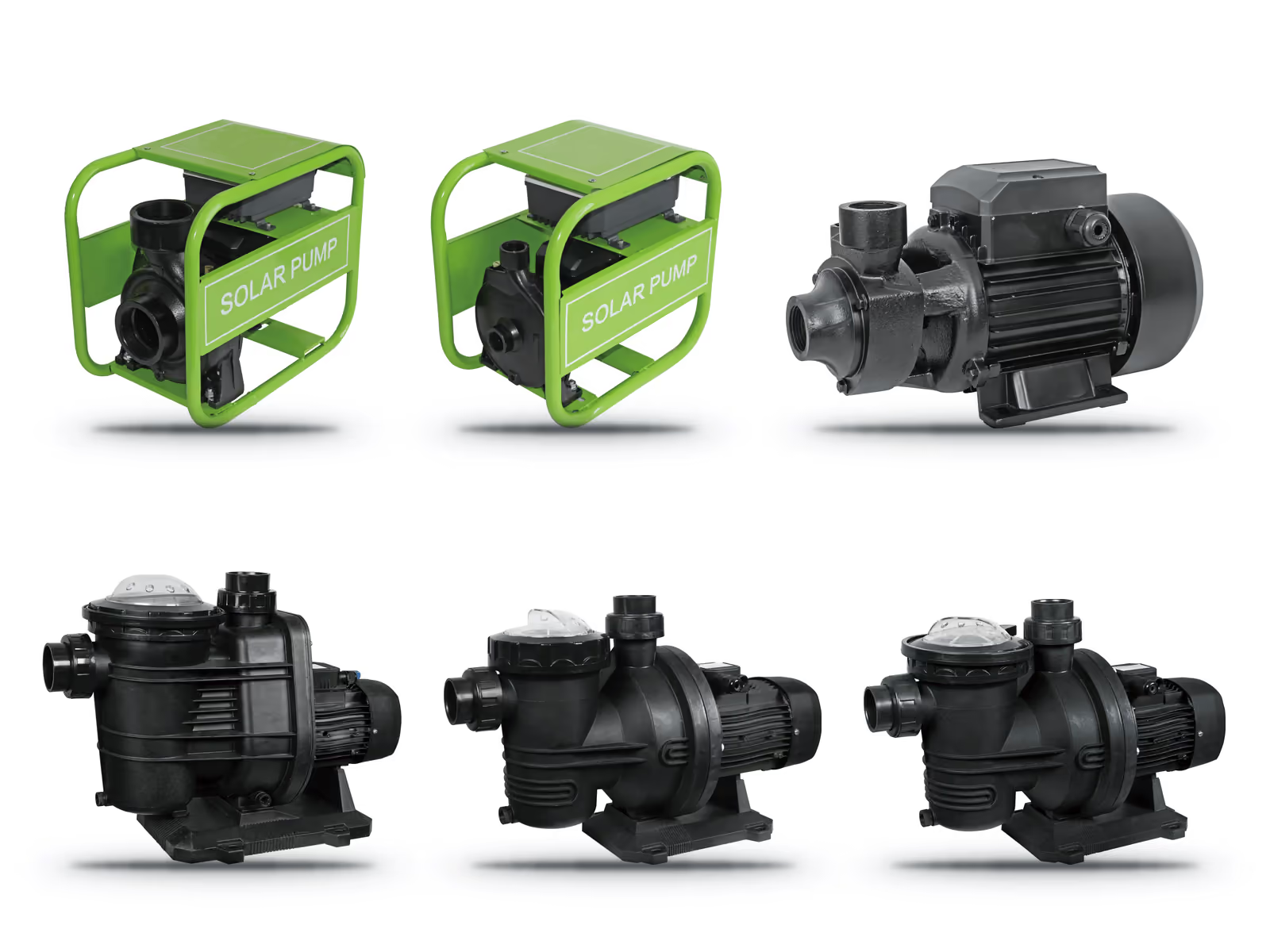
Agricultural irrigation
Solar Water Pumping for Agriculture
Plan reliable farm water delivery around the source, required flow, total head and irrigation method.
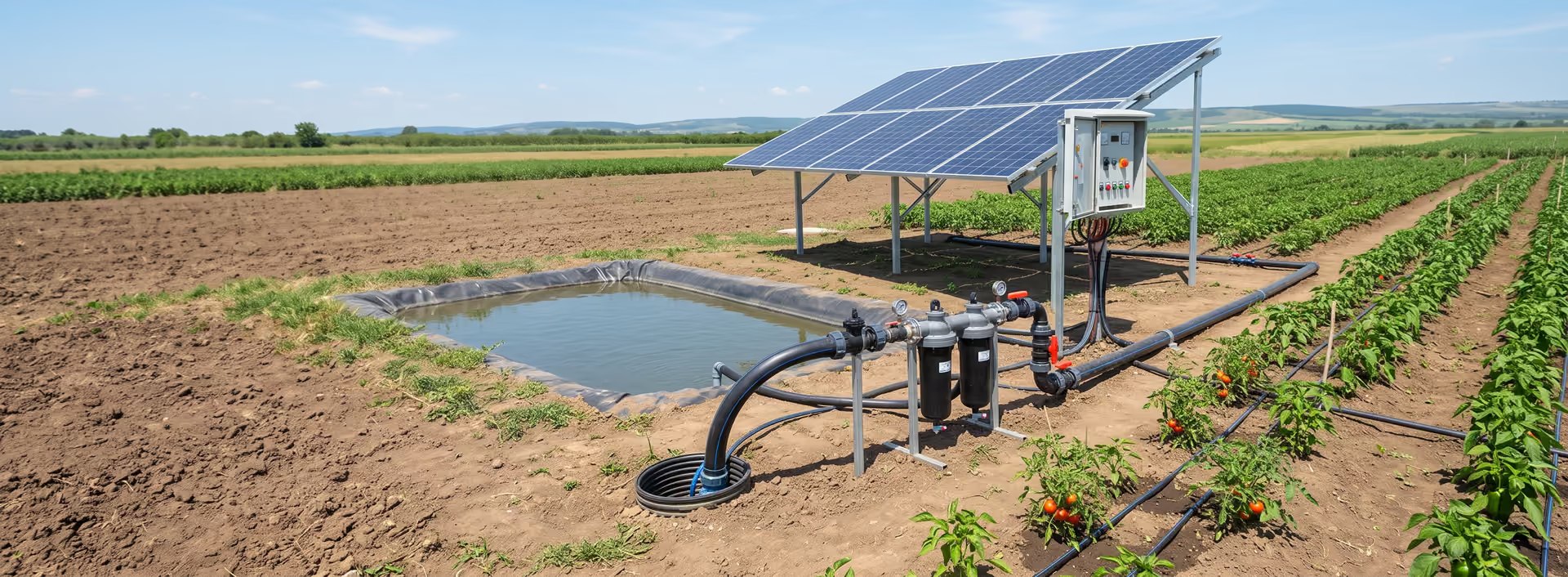
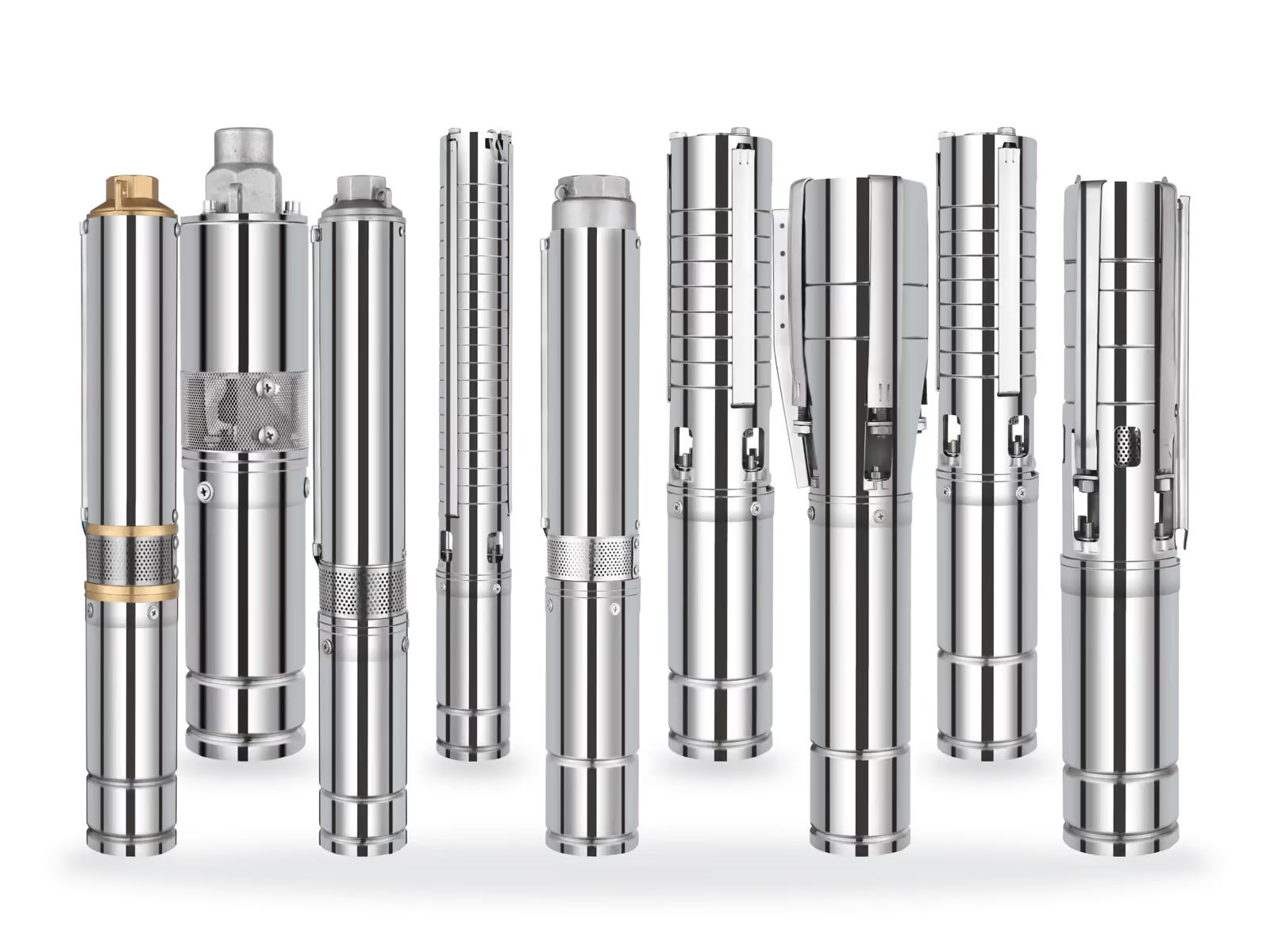
Match the pump category to the water source
Start with the published pump category that fits where the equipment operates. Final selection still depends on required flow and total dynamic head.
Agricultural Irrigation System Planning and Solar Pump Duty Point Guides
Explore practical guides for designing solar-powered agricultural irrigation systems, from crop water demand and required flow to total dynamic head, pipe losses, irrigation pressure and productive solar pumping hours.
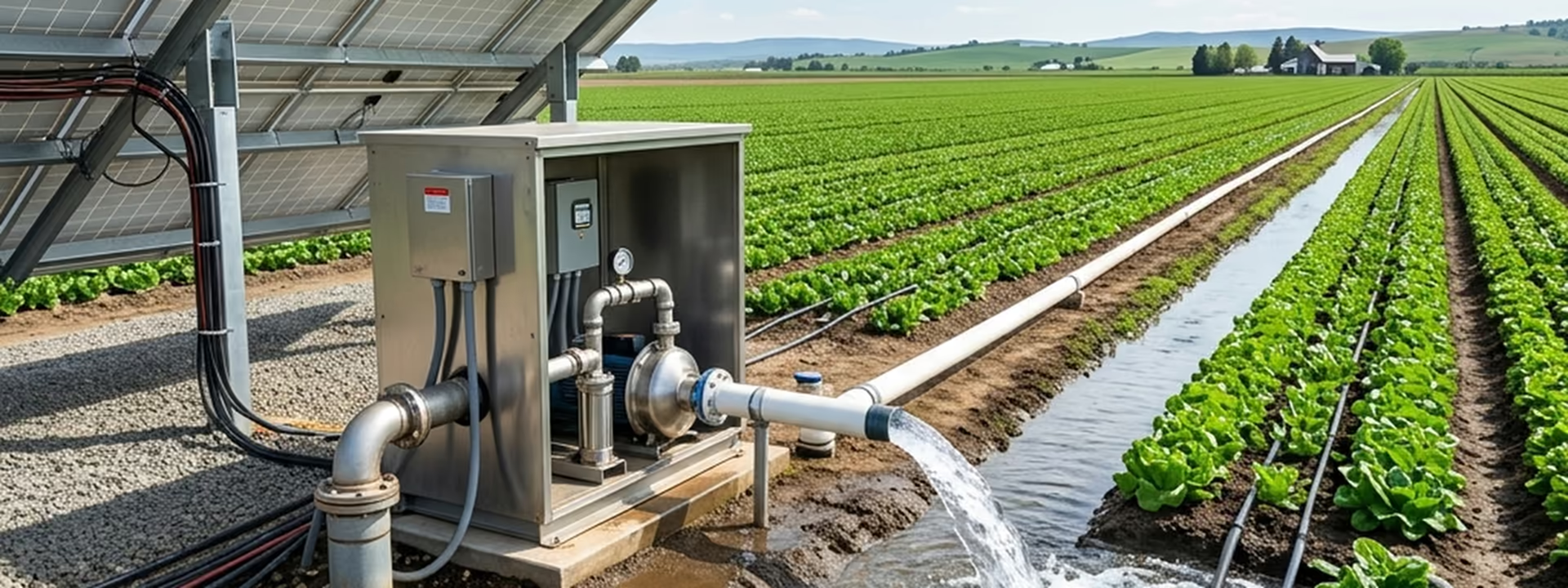
Choose how the farm will receive water
The preferred arrangement depends on when water is needed and how much flow variation the irrigation equipment can accept.
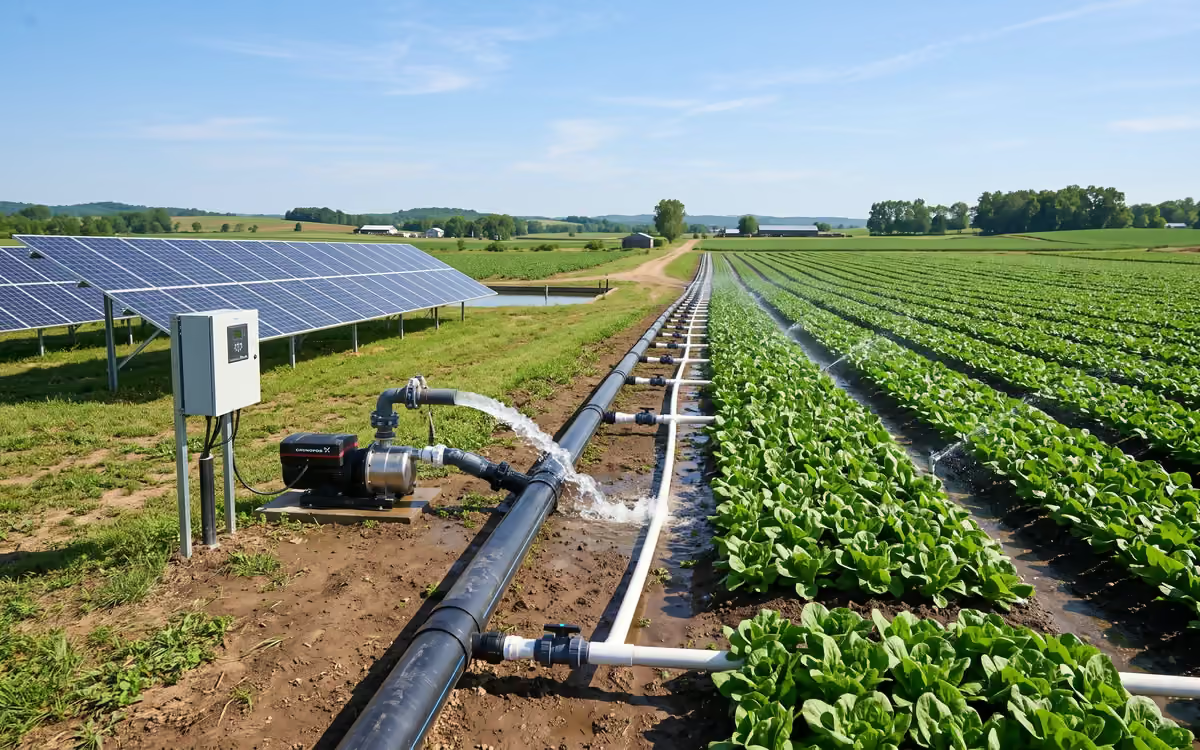
Pump directly to irrigation
Direct irrigation can work when pump output and available sunlight align with the flow and pressure required by the active irrigation zone.
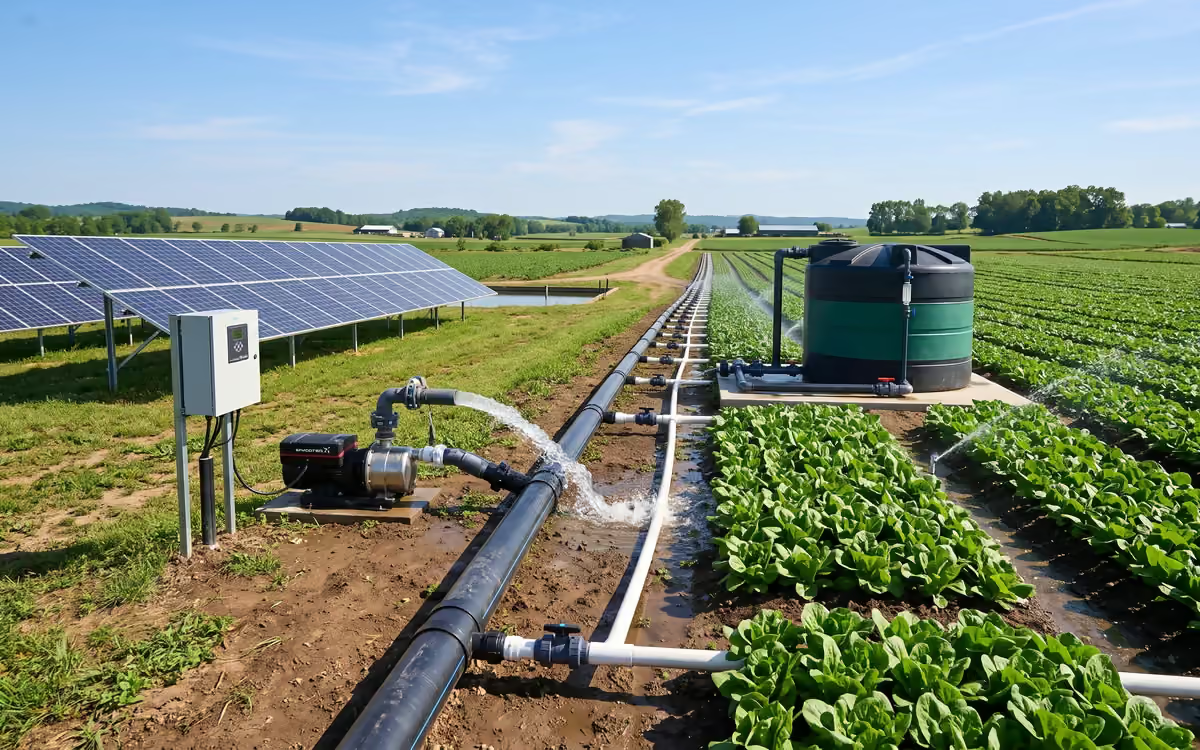
Pump into storage
A tank separates daytime pumping from the irrigation schedule and can provide a visible reserve for changing demand or maintenance.
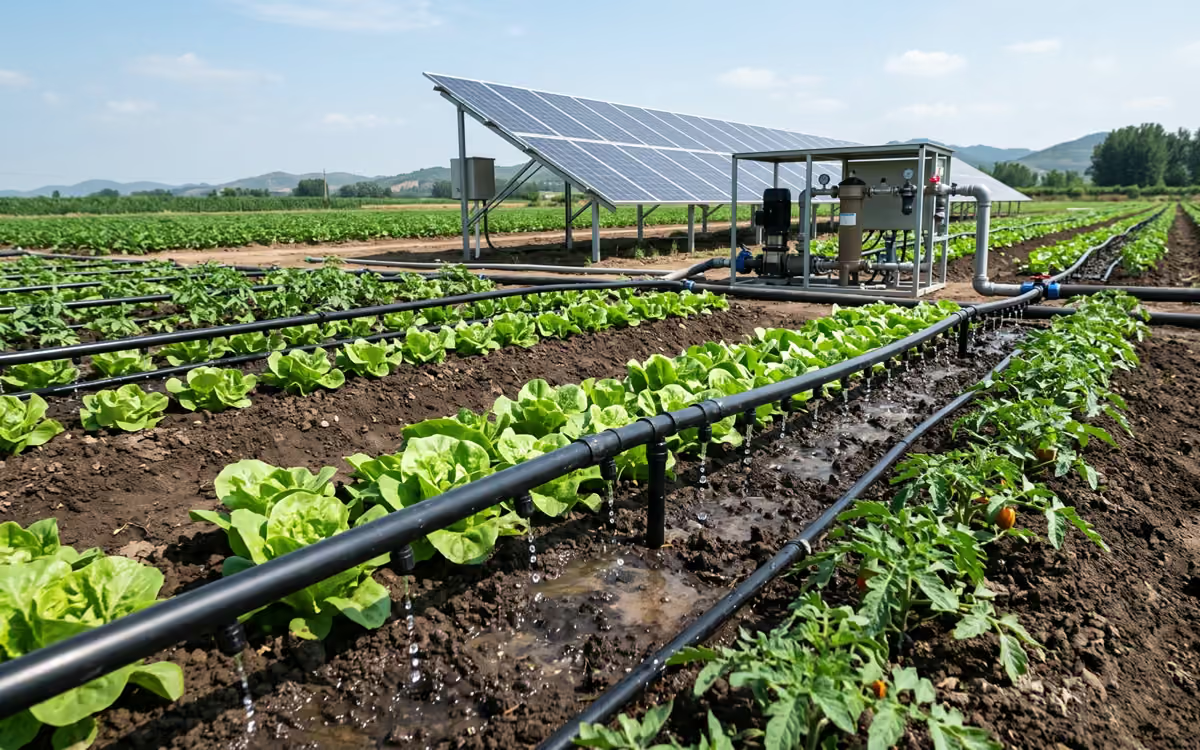
Supply drip irrigation
Drip systems normally require controlled filtration and pressure, with the active emitter flow included in the pump duty calculation.
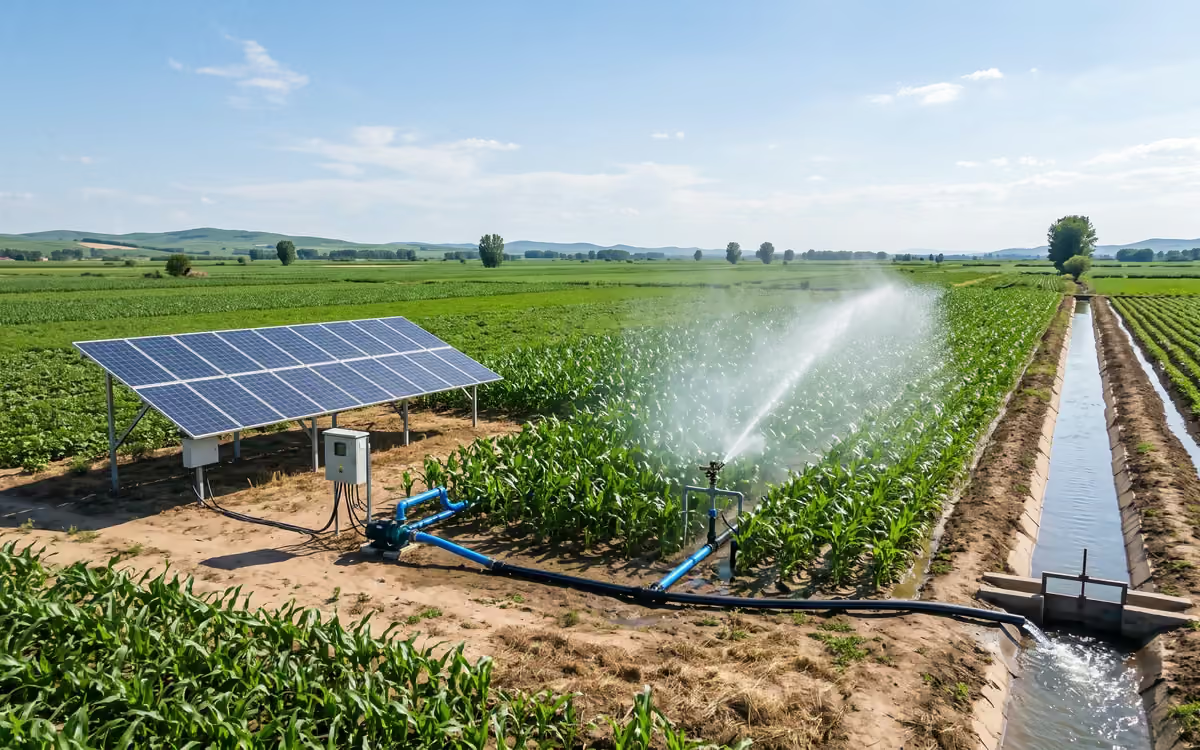
Supply sprinklers or open delivery
Sprinklers may require higher steady pressure, while channels and furrows emphasize flow and conveyance losses.
System planning
Four calculations establish the irrigation duty point
Complete these checks before comparing pump curves, controller limits or solar array sizes.
Calculate daily water demand
Estimate crop demand, irrigated area, application rate, irrigation frequency and seasonal peak as a daily water volume.
Set flow and operating hours
Divide the daily volume by realistic solar pumping hours, including storage limits, irrigation zones and refill time.
Calculate total dynamic head
Combine vertical lift, pumping water level, delivery pressure and friction through pipe, filters, valves and fittings.
Check solar and system limits
Verify controller voltage, solar array configuration, cable length, pipe diameter, protection and expected operating range.
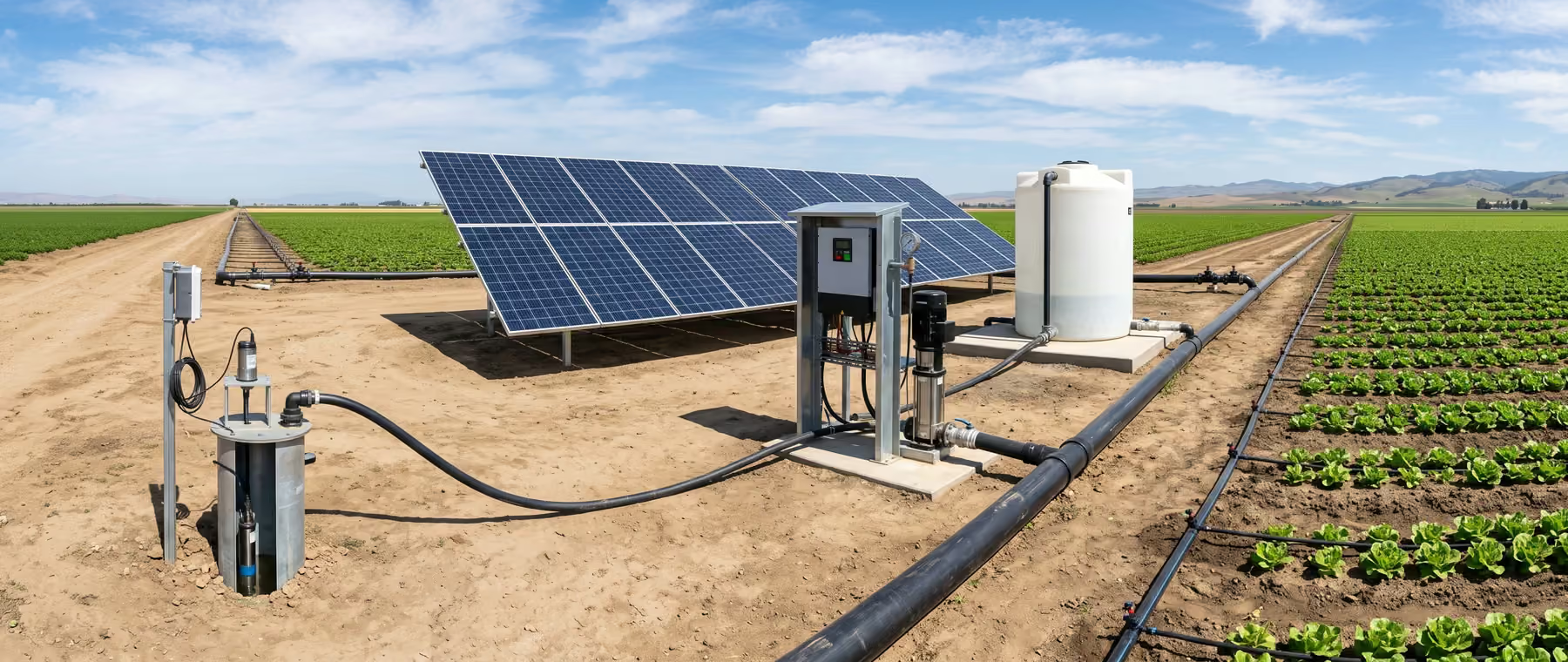
Prepare the site information before pump selection
A complete project brief makes it possible to compare the farm requirement with a pump curve, controller and solar array without relying on assumptions.
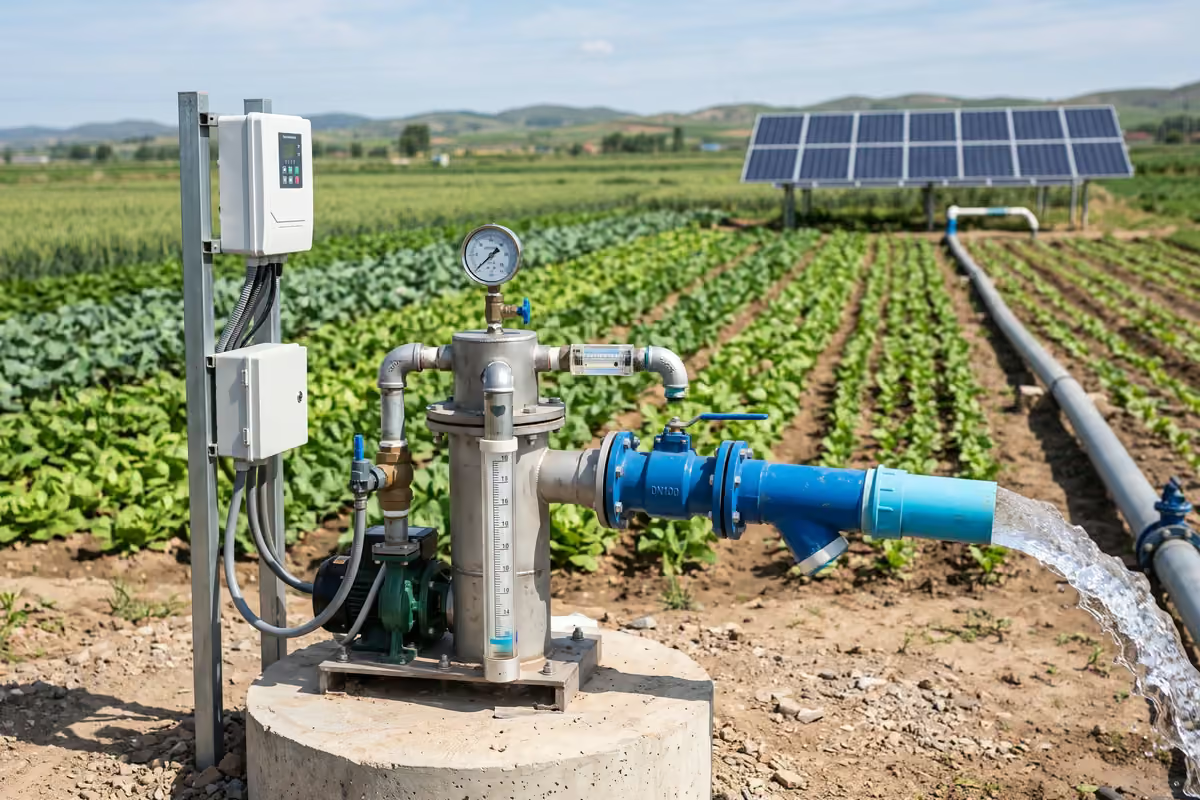
Water source and pumping level
Record the source type, static level, expected pumping level, seasonal changes, available volume and water quality constraints.
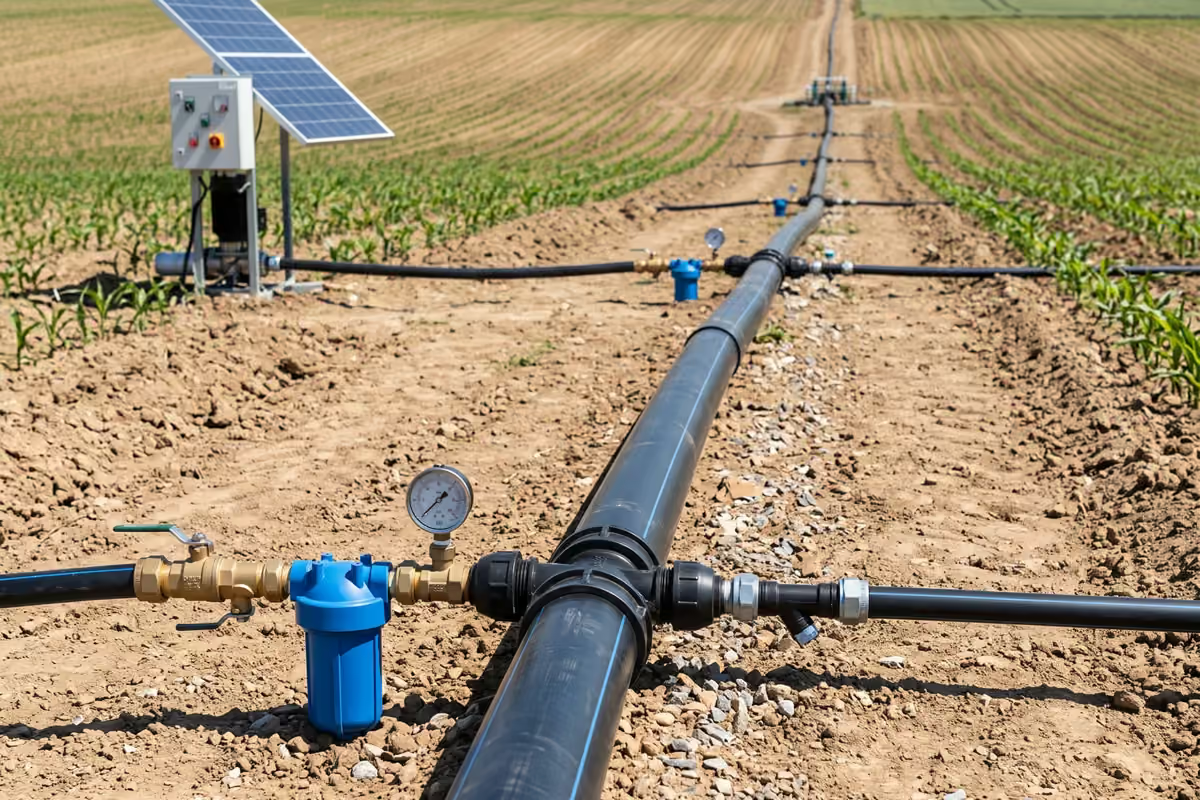
Delivery route and pressure
Record elevation, pipe length, internal diameter, fittings, filters and the pressure required at the irrigation inlet.
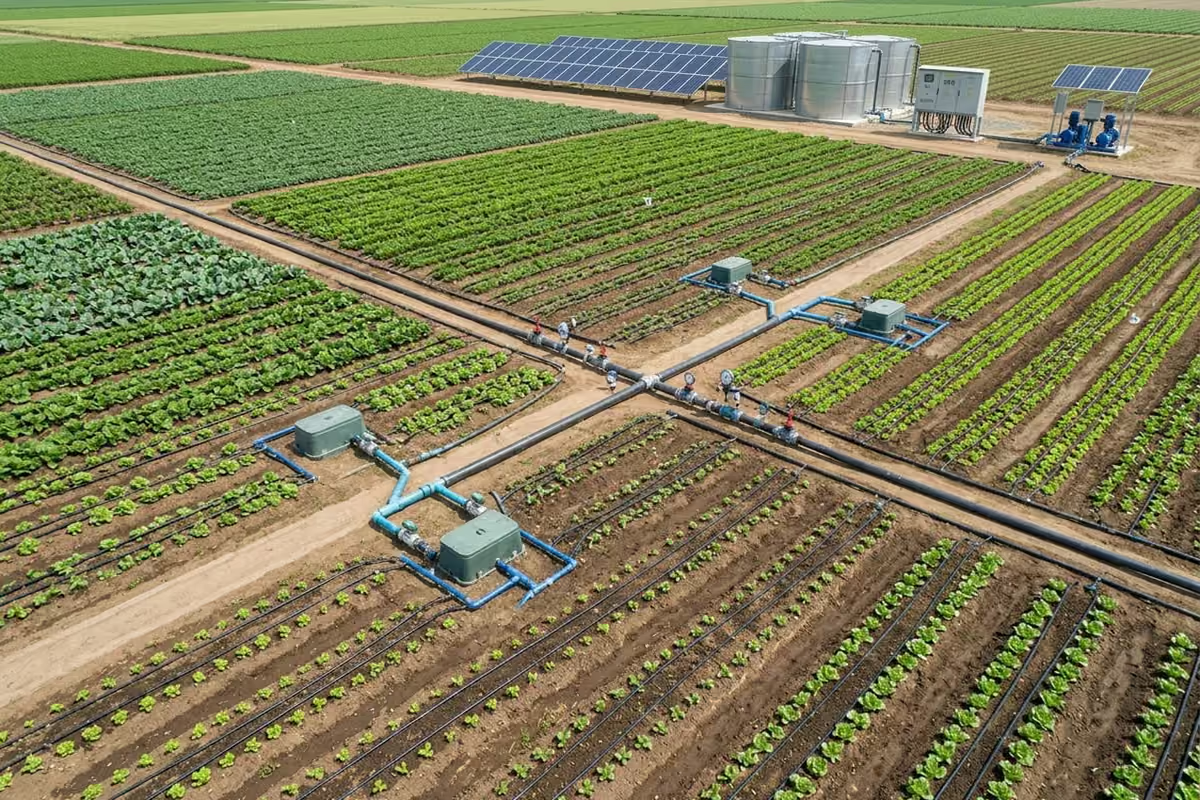
Irrigation demand and schedule
Define irrigated area, crop demand, active zone flow, operating hours, irrigation method and any planned storage volume.
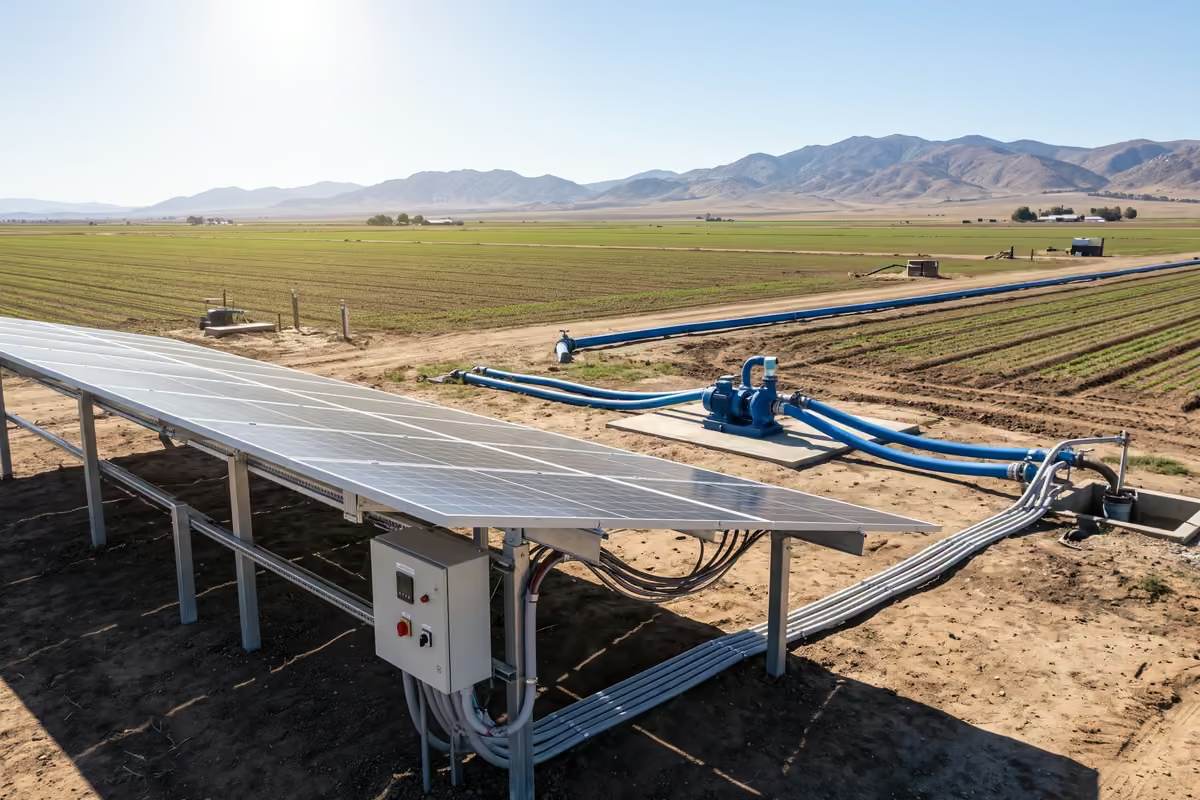
Site and solar conditions
Provide the project location, module installation area, shading conditions, cable route and expected seasonal operating window.
Frequently asked questions
Review the project data, hydraulic limits and irrigation choices that should be confirmed before selecting a solar water pump.
What information is needed to select a solar irrigation pump?
Provide the water source, static and pumping levels, required daily volume, target flow, vertical lift, pipe length and diameter, irrigation pressure, operating schedule and project location. For wells, include casing diameter and expected drawdown.
Can one solar pump supply drip irrigation and sprinklers?
Possibly, but the two methods can have different flow, pressure and filtration requirements. Each active zone should be calculated separately and checked against the useful pump and controller operating range.
Is a storage tank required for solar irrigation?
No. Direct irrigation is possible when solar pumping output matches the active zone. Storage is useful when irrigation must continue outside strong sunlight or when a steady pump flow must be separated from a variable schedule.
How do pipe length and diameter affect pump selection?
Water loses pressure through pipe, fittings, filters and valves. Long or undersized pipe increases friction loss and total dynamic head, so the planned route and internal diameter must be included before reviewing a pump curve.
Does the largest pump provide the safest irrigation design?
Not necessarily. An oversized pump can operate outside a useful range, exceed pipe or irrigation pressure limits and require unnecessary solar capacity. Selection should be based on the calculated duty point.