
Solar water pump range
Solar Surface Pumps
Compare accessible surface-mounted DC pumps for reservoirs, canals, tanks and low-head irrigation water transfer.
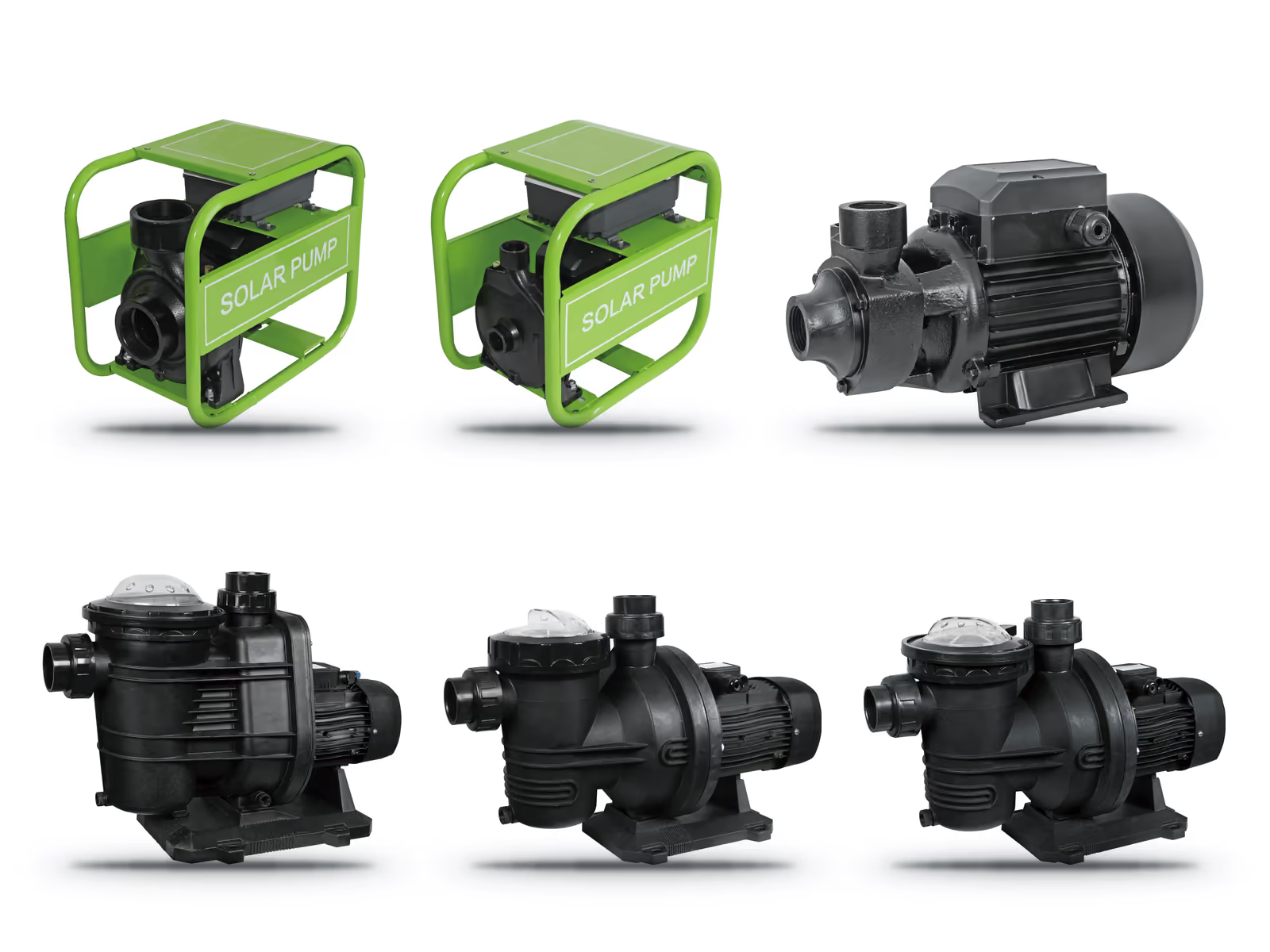
- Published range
- 1 model
- Rated voltage
- 48V DC
- Maximum flow
- 15 m3/h
- Maximum head
- 14m
One verified surface-pump product is currently published.
Match the pump, controller and solar array limits.
Catalogue maximum at the low-head end of the curve.
Catalogue maximum and not simultaneous with maximum flow.
Category overview
Accessible solar pumping for surface water sources
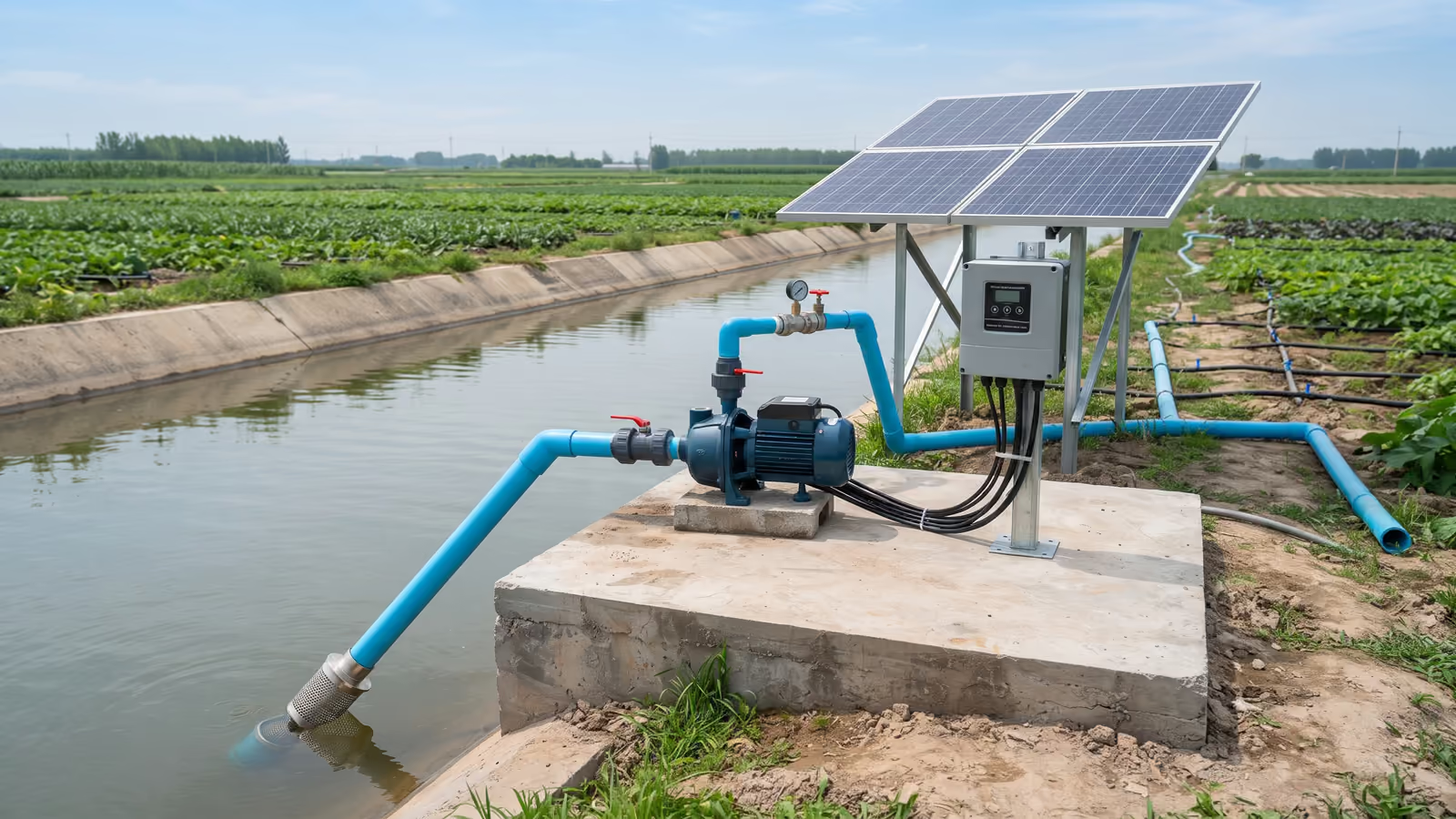
Solar surface pumps are installed outside the water source, where the pump and connections remain accessible for inspection. They can be evaluated for reservoirs, canals, tanks and other water sources where suction conditions and installation position can be controlled.
The published Rakour surface-pump range currently includes the DCPM15-14-48-550, a 48V DC centrifugal model rated at 550W with catalogue limits of 15 m3/h maximum flow and 14m maximum head. These limits describe opposite boundaries and are not one simultaneous duty point.
Final selection depends on the required flow at total dynamic head, including suction conditions, delivery elevation, pipe friction and outlet pressure. The solar array and controller must also remain inside the model's documented voltage limits.
Published range
Compare Rakour solar surface pump models
Review the confirmed catalogue data, electrical limits and selection notes for every published surface-pump model.
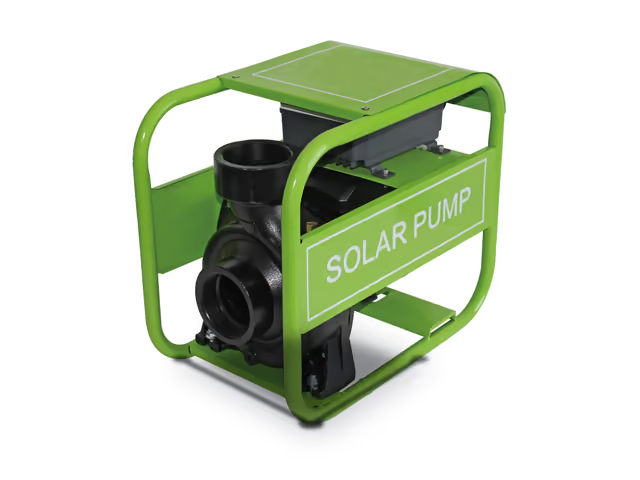
48V Solar Surface Pump
48V Solar Surface Pump
Model DCPM15-14-48-550
48V Solar Surface Pump with 550W power, 15 m3/h maximum flow, and 14 m maximum head.
- Rated voltage
- 48V DC
- Rated power
- 550W
- Maximum flow
- 15 m3/h
- Maximum head
- 14m
Quick comparison
Confirm the duty point before using maximum values
Maximum flow and maximum head are screening boundaries. Use verified performance data to confirm the required flow at the site's calculated total dynamic head.
| Model | Pump type | Rated voltage | Rated power | Maximum flow | Maximum head | Outlet |
|---|---|---|---|---|---|---|
| DCPM15-14-48-550 | 48V Solar Surface Pump | 48V DC | 550W | 15 m3/h | 14m | 1 1/2 in |
Selection guide
Five checks define a suitable surface-pump duty
Surface-pump selection must consider the suction side, delivery system and electrical design as one operating arrangement.
- 01
Confirm the water source and suction conditions
Record the source type, available water level, pump position, suction lift, intake arrangement and expected seasonal changes. Surface pumps require a suitable inlet condition and cannot be selected from delivery head alone.
- 02
Calculate total dynamic head
Combine suction conditions, delivery elevation, pipe friction, fittings, filters and required outlet pressure. Use the resulting head with the target flow to define the duty point.
- 03
Define flow and daily volume
State the required operating flow or calculate daily volume from irrigation demand and realistic solar pumping hours. Confirm that storage or direct delivery can accept the expected flow range.
- 04
Size the suction and delivery pipework
Record internal diameter, length, bends, valves and fittings on both sides of the pump. Avoidable friction can consume a significant share of the available head in a low-head system.
- 05
Match the solar array and controller
Keep the operating voltage and open-circuit voltage inside the published limits under local temperature conditions. Confirm controller compatibility before finalizing the module configuration.
Pump arrangement
Plan the installation around accessible surface equipment
The pump format changes how the water source, inlet pipe and maintenance access must be arranged.
Surface-mounted centrifugal pump
The DCPM range uses a centrifugal surface-pump format. The pump remains outside the water source and must receive suitable inlet conditions while delivering the required flow against the complete system head.
Short, controlled suction route
Position the pump so the inlet route is practical and protected from air leaks, obstruction and excessive lift. Confirm the installation requirements for the final project rather than assuming any surface location will work.
Accessible service position
Keep the pump, controller and connections accessible for inspection while protecting electrical components and joints from water, weather and accidental damage.
Typical duties
Where solar surface pumps are commonly evaluated
Each application still requires a calculated duty point and a confirmed electrical design.
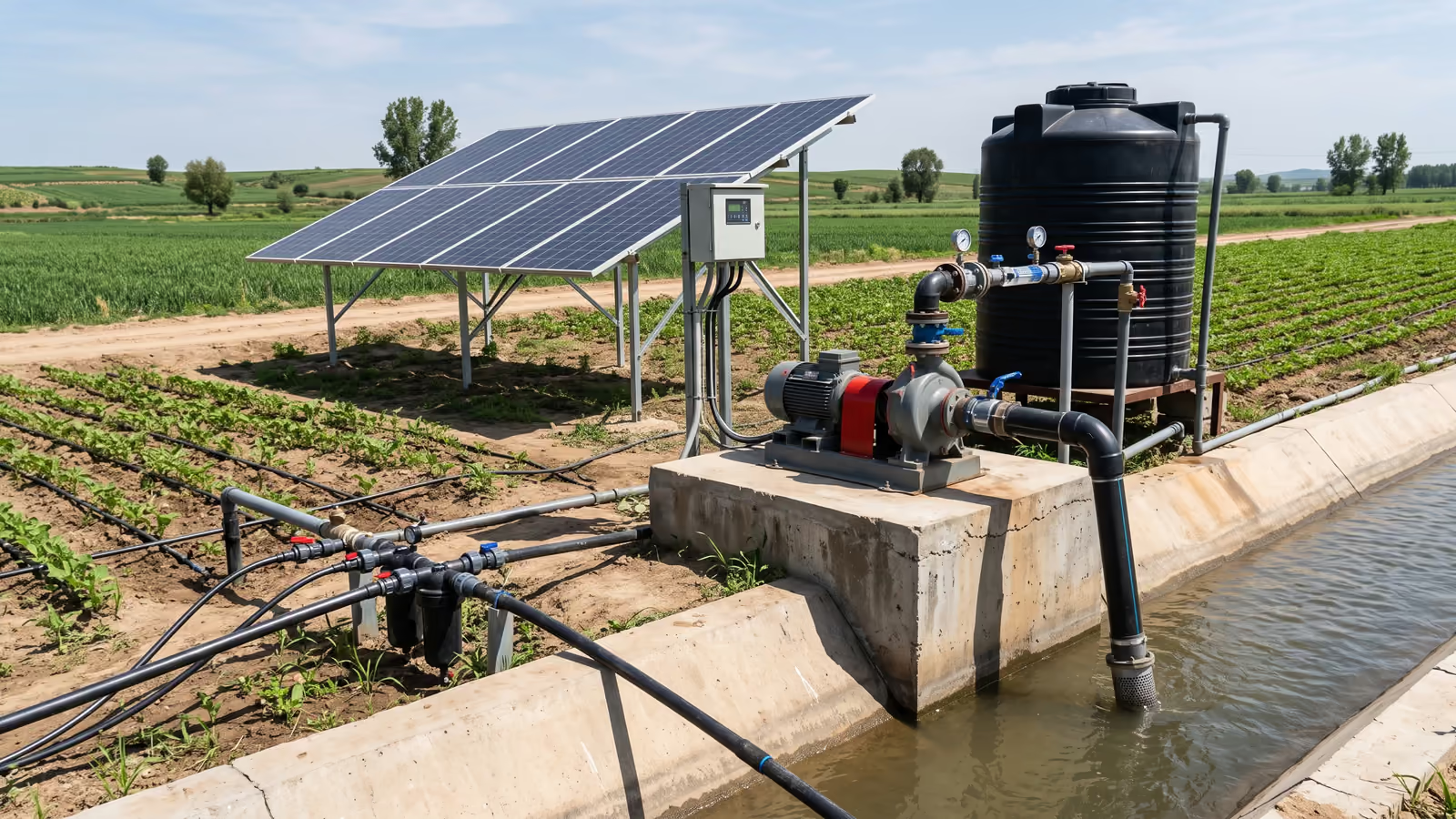
Reservoir and canal water transfer
Move accessible surface water to a field inlet, header tank or nearby distribution point where the required head remains inside the verified operating range.
Daytime storage tank filling
Pump during productive solar hours and store water for later use. Calculate the required average flow from tank volume, refill window and expected solar conditions.
Low-head irrigation supply
Supply a matched irrigation zone or buffer tank when pipe losses, elevation and field pressure have been included in the total head calculation.
Remote water circulation or transfer
Evaluate off-grid transfer duties where the water source is accessible and the complete route matches the pump's hydraulic and electrical limits.
Complete system
Coordinate the pump with the complete water path
Every component must support the same required flow, total head and electrical operating window.
-
Solar array
Configure module voltage and power for the published operating range, local temperature and required productive pumping hours.
-
Pump controller
Confirm compatibility with the 48V DC pump, array configuration, protection functions and any required level controls.
-
Surface pump
Select from the required flow at total dynamic head, not maximum flow, maximum head or motor power alone.
-
Inlet arrangement
Plan the pump position, suction route, intake protection, fittings and water availability so the inlet condition remains suitable.
-
Delivery pipe and controls
Include pipe diameter, length, valves, filters, elevation and required pressure when calculating the delivery-side loss.
-
Storage or irrigation network
Confirm whether the pump fills a tank or supplies demand directly, and check that the receiving system can accept the expected operating range.
Selection questions
Solar surface pump FAQ
Direct answers to common questions about surface-pump selection and system planning.
When should a solar surface pump be considered?
Consider a surface pump when the water source and installation allow the pump to remain outside the water, the inlet conditions can be controlled, and the required flow at total dynamic head falls inside verified performance data.
Does the DCPM15-14-48-550 deliver 15 m3/h at 14m head?
No. The 15 m3/h maximum flow and 14m maximum head are opposite catalogue boundaries. Confirm the required flow at the actual calculated system head before selection.
What must be included in total dynamic head for a surface pump?
Include suction conditions, vertical rise, delivery elevation, friction through inlet and delivery pipework, fittings, filters, valves and any pressure required at the final outlet.
Can a solar surface pump supply irrigation directly?
It can be evaluated for direct irrigation when its expected flow and pressure match the active irrigation zone. The system must include field pressure, filtration and pipe losses in the duty calculation.
What information should I provide for selection?
Provide the water source, pump position, suction arrangement, elevation, pipe lengths and diameters, required flow or daily volume, outlet pressure, project location and planned solar array conditions.
Project support
Match a solar surface pump to your water route
Share the source, inlet arrangement, required flow, total head, pipe route and solar conditions for a project review.