
Water applications
Solar Pumping and Irrigation Solutions
Start with the water requirement, then match the pump, solar input and delivery system.
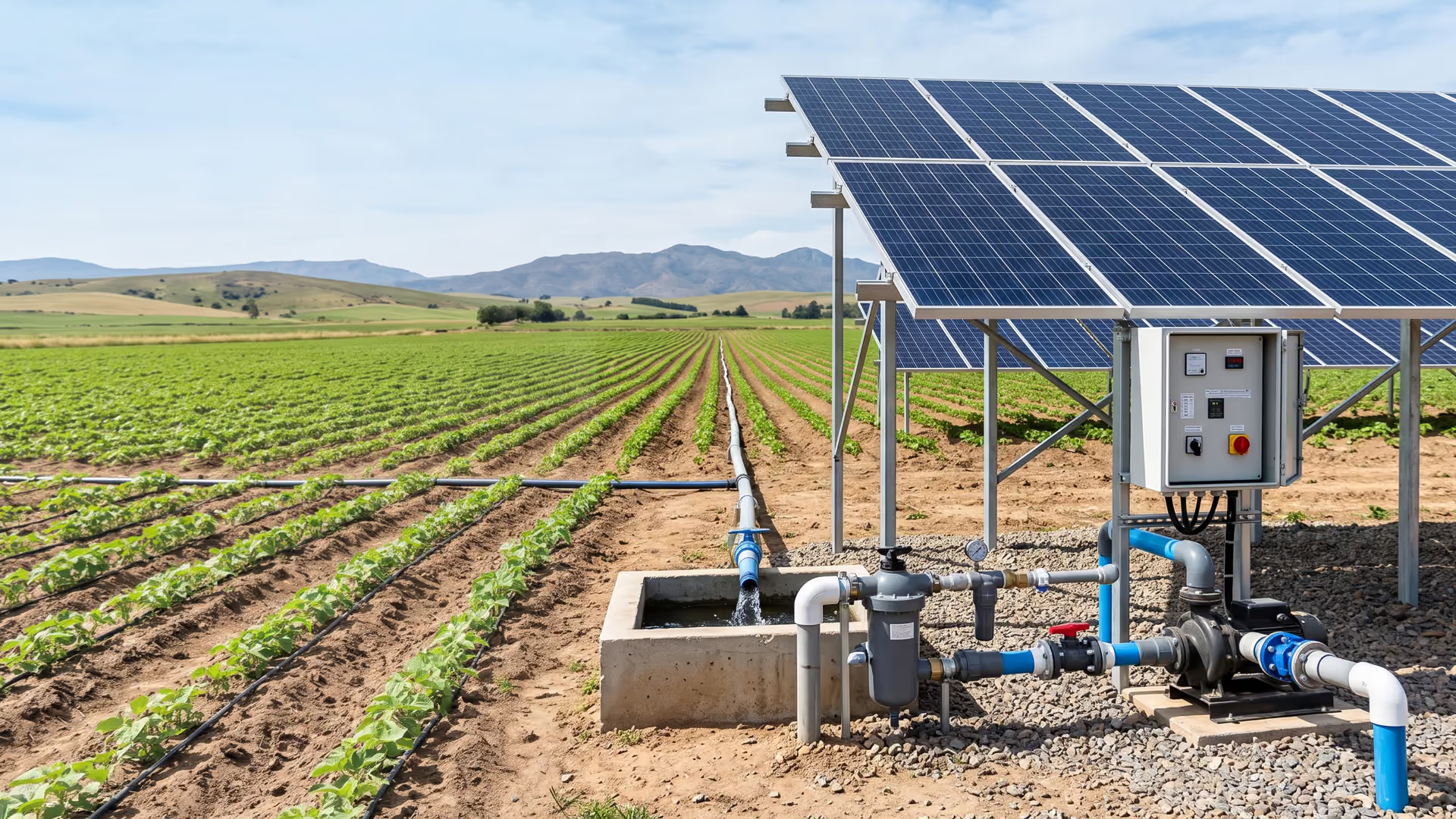
Solar Pumping Solutions for Irrigation, Water Supply and Remote Sites
Explore complete solar water pumping systems for agricultural irrigation, wells, boreholes, reservoirs, tanks and remote water supply. Each solution is matched to the water source, required flow, total dynamic head, delivery pressure, storage strategy and solar operating conditions.
Product pillar
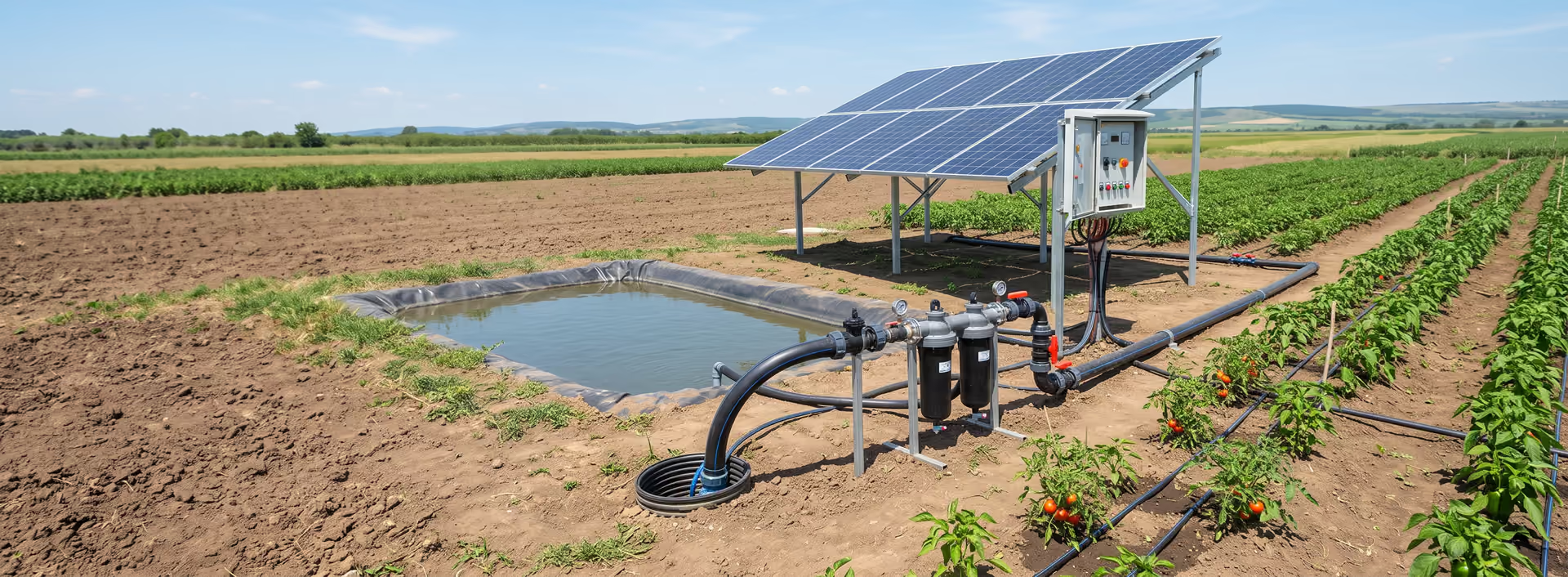
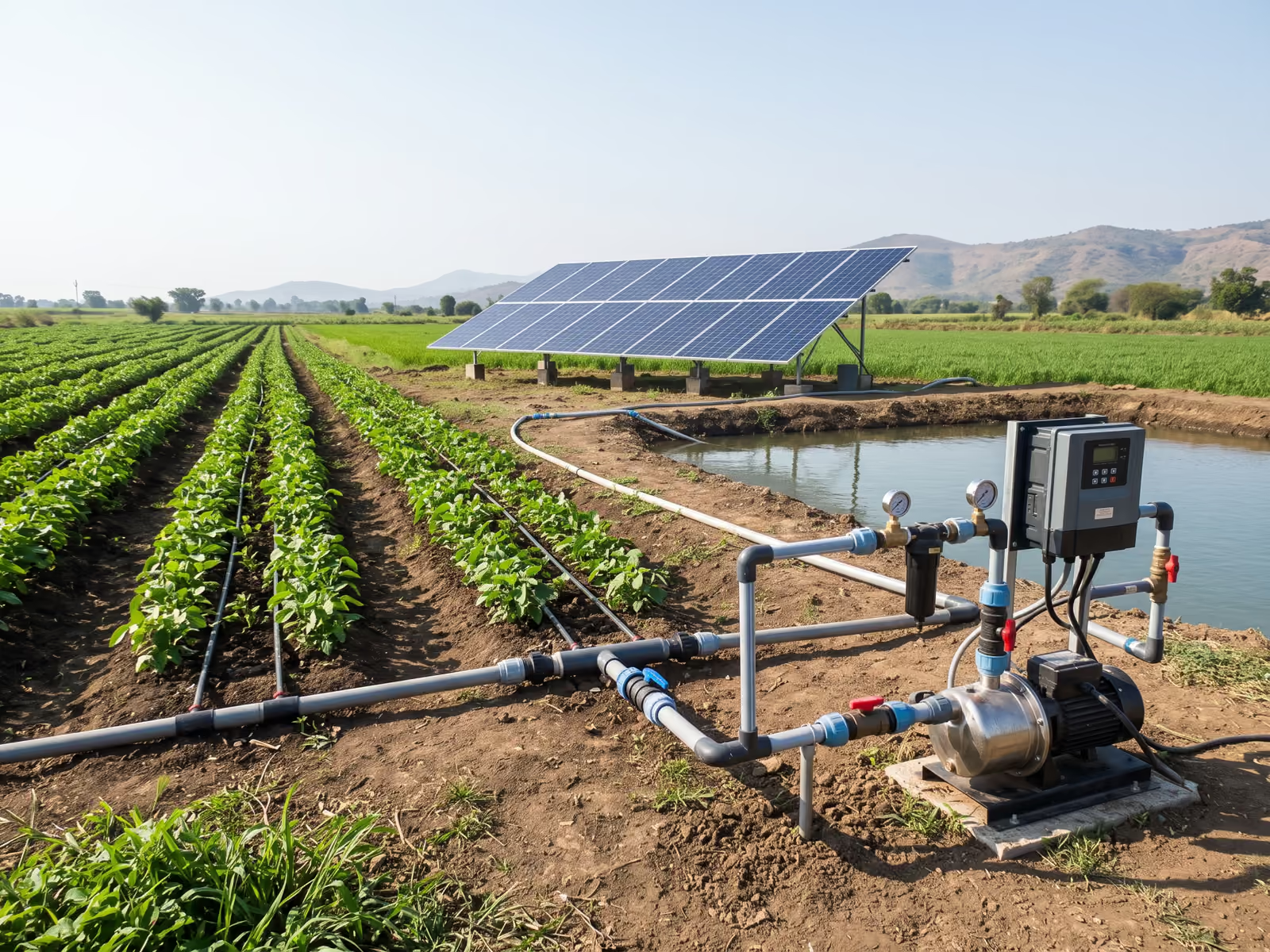
Solar Water Pumps Product Range
Explore Rakour solar water pumps for agricultural irrigation, wells, boreholes, reservoirs and remote water supply. The product pillar brings together solar submersible pumps, solar surface pumps and their product categories.
Visit the product range to compare pump categories, review application guidance and open individual product pages. Match the final selection to the water source, required flow, total dynamic head and delivery arrangement.
Explore the solar water pumps product rangeDesign inputs
Four inputs organize the first engineering conversation
These values establish the operating requirement before a pump curve, controller or solar array is compared.
Water source
Confirm whether water comes from a borehole, shallow well, pond, canal, tank or reservoir, including expected seasonal level changes.
Required water volume
Define daily demand and the time available for pumping. This converts the application requirement into a target operating flow.
Total dynamic head
Combine pumping water level, delivery elevation, pipe friction, fittings, filters and the pressure required at the final outlet.
Delivery arrangement
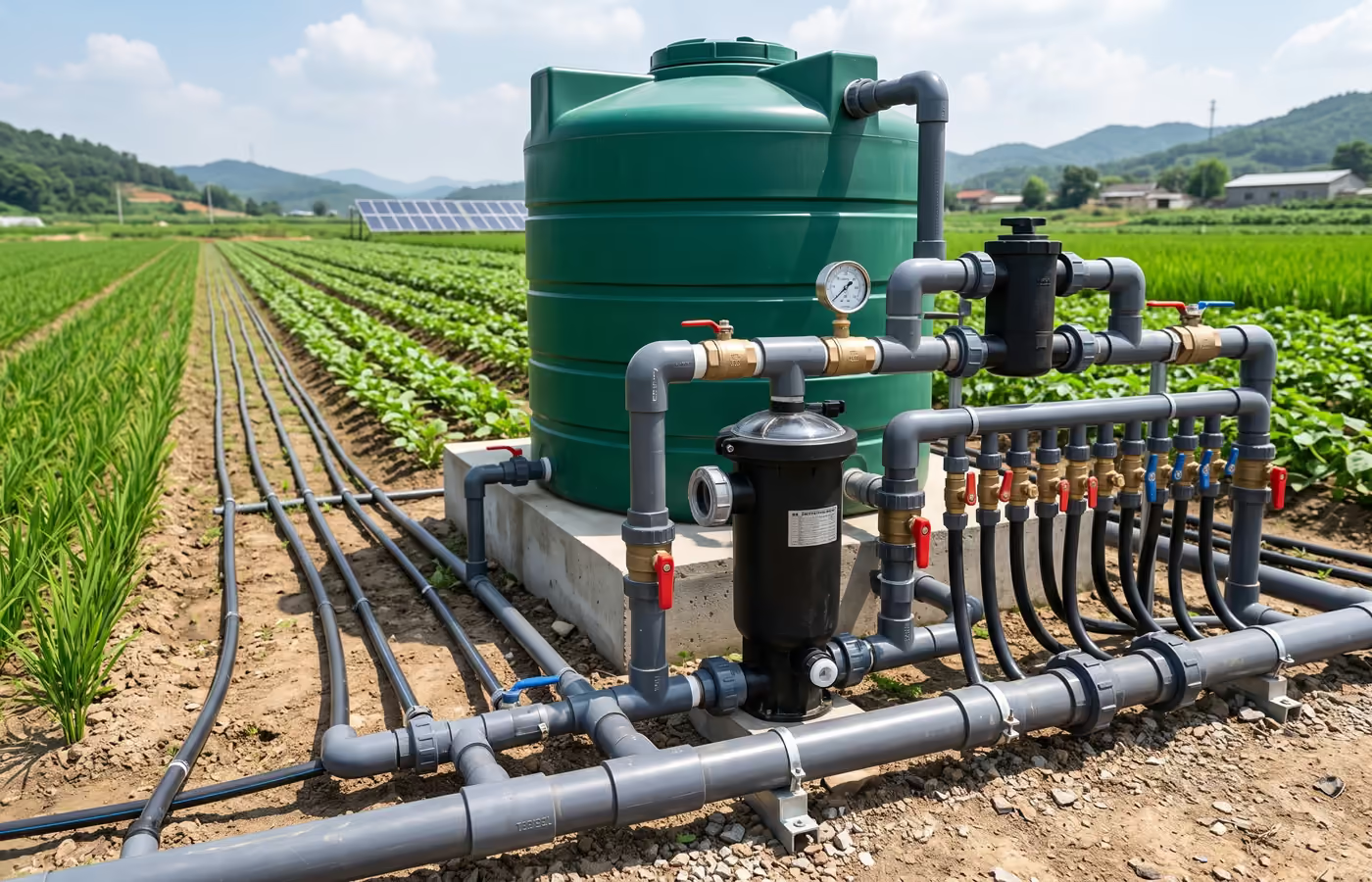
Decide whether water is supplied directly, collected in storage or distributed through a pressure-controlled irrigation network.
Solution process
Move from site information to a comparable duty point
Each decision builds on the previous one so equipment can be reviewed against a defined hydraulic and electrical requirement.
Define the application
Record where water is needed, the daily volume, operating schedule and pressure expected at the delivery point.
Describe the water path
Confirm source levels, vertical lift, pipe route, internal diameter, fittings, filters and planned storage.
Match the operating point
Compare the required flow and total head with the current pump performance curve and controller limits.
Verify the complete system
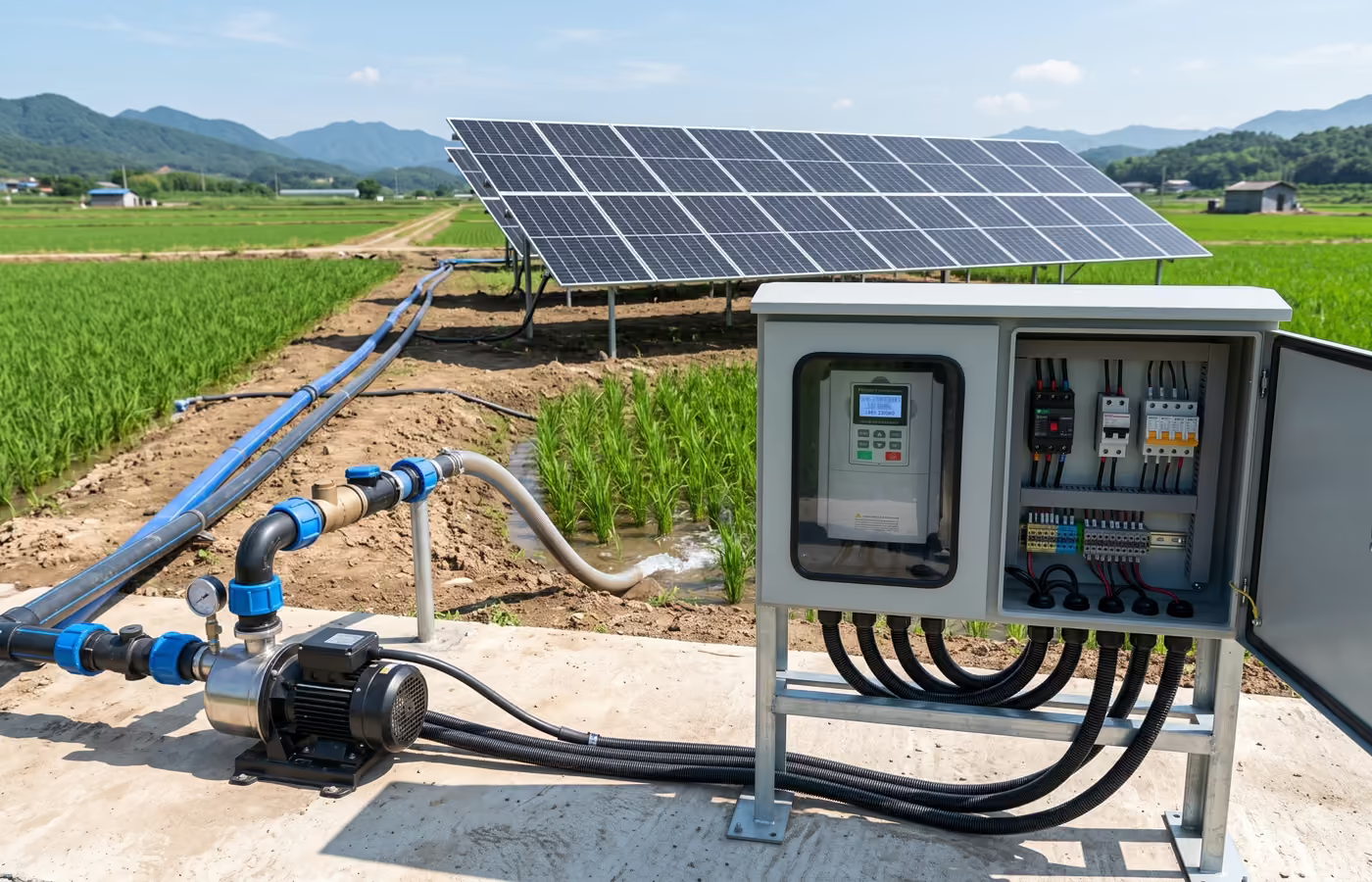
Check solar array configuration, cable length, protection, controls, pipe sizing and installation conditions before supply.
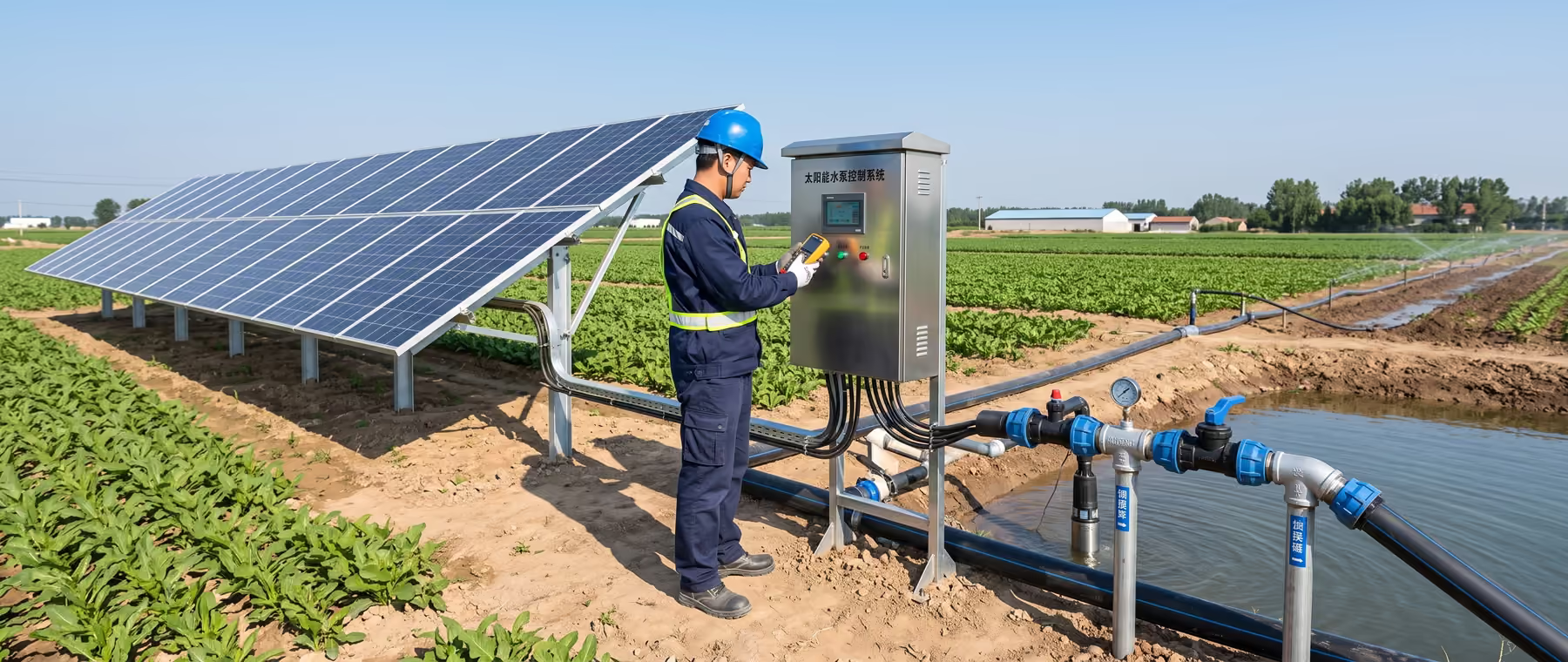
See the complete water path before choosing equipment
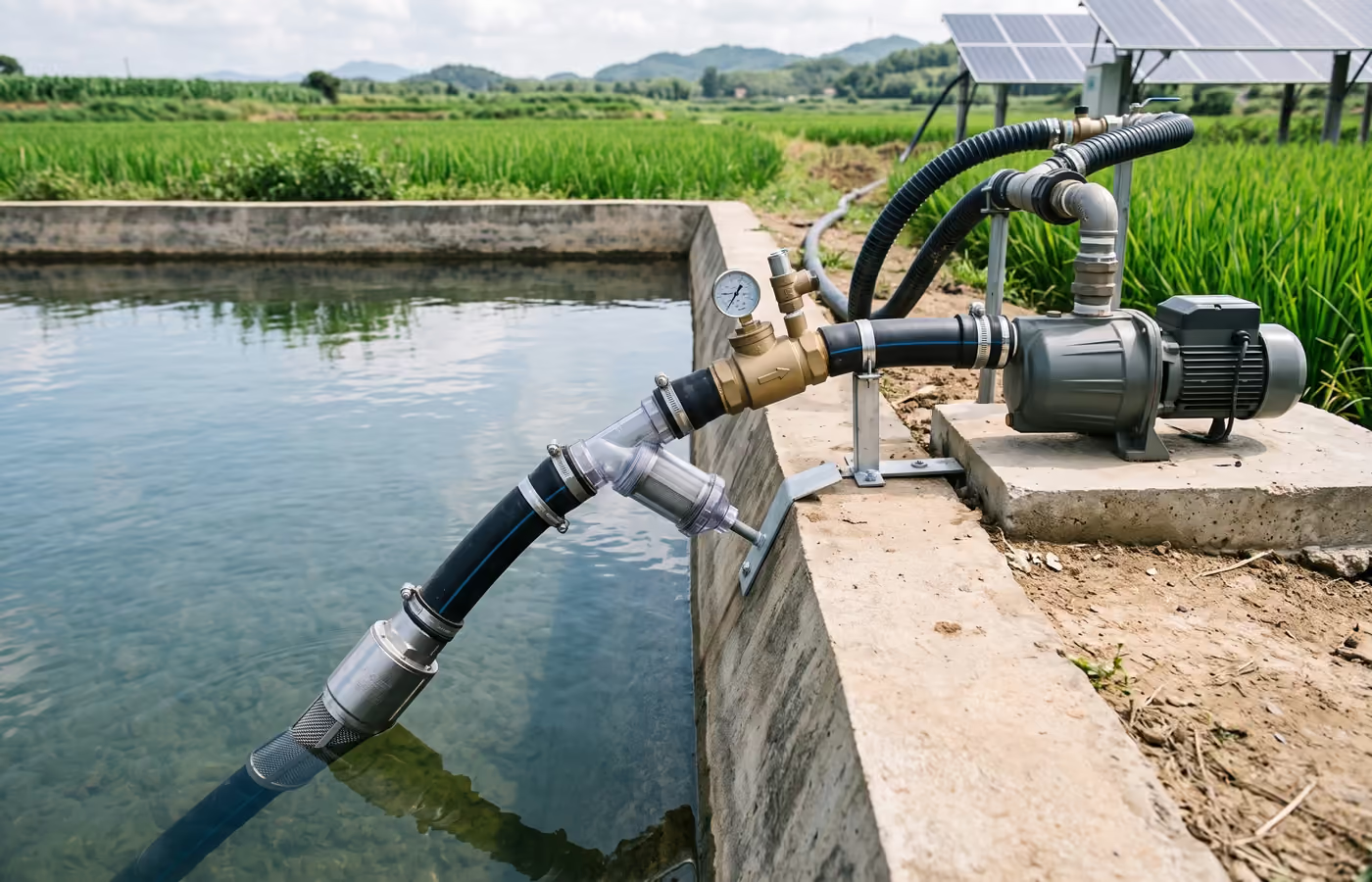
A useful solution plan connects the source, pumping equipment, solar supply and final delivery point as one operating system.
Frequently asked questions
Use these answers to prepare a practical solar pumping brief, compare system options and move from catalogue limits to the required operating point.
What information should be prepared before requesting a solar pumping solution?
Prepare the water source, static and pumping levels, daily volume, target flow, delivery elevation, pipe length and diameter, required outlet pressure, project location and operating schedule.
Is pump power enough to select a complete system?
No. The operating point depends on both flow and total dynamic head. The controller, solar array, cable, pipework, protection and storage arrangement must also be checked together.
Can a solar pump supply water without batteries?
Yes. Many systems pump directly during productive sunlight or fill a storage tank for later use. The preferred arrangement depends on the required delivery schedule and acceptable flow variation.
When is a submersible pump used instead of a surface pump?
Submersible pumps are commonly used below the water level in boreholes and wells. Surface pumps can suit accessible sources when suction lift, priming, inlet screening and changing water levels are properly controlled.
What support can Rakour provide?
Rakour can review the stated source, flow and head requirement, identify a relevant product range and provide product information for distributors, installers and project teams. Site professionals remain responsible for final design and installation.
Plan your solar pumping system around real site data
Share the water source, required daily volume, target flow, total head, pipe route and project location. Rakour will help review the relevant solution direction and pump range.