

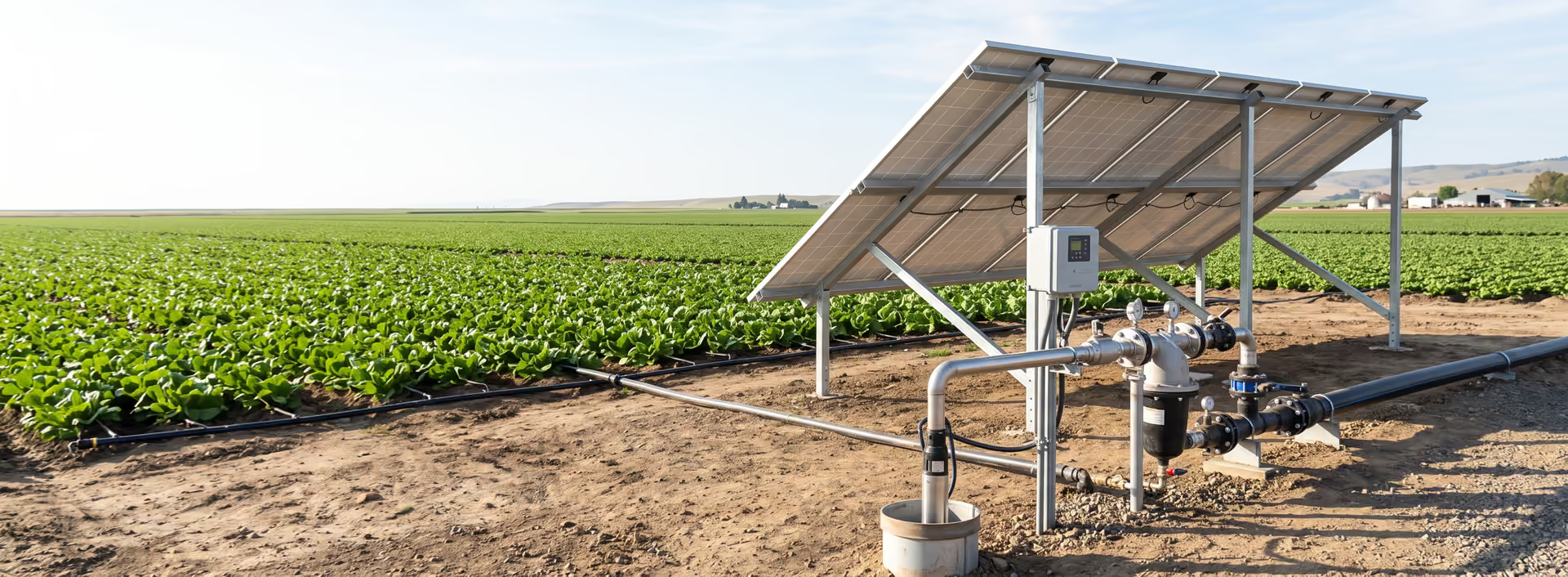
Solar water pumping systems
Solar Water Pumps for Irrigation and Water Supply
Match the water source, required flow and total head with a practical solar pumping system.
Pump categories
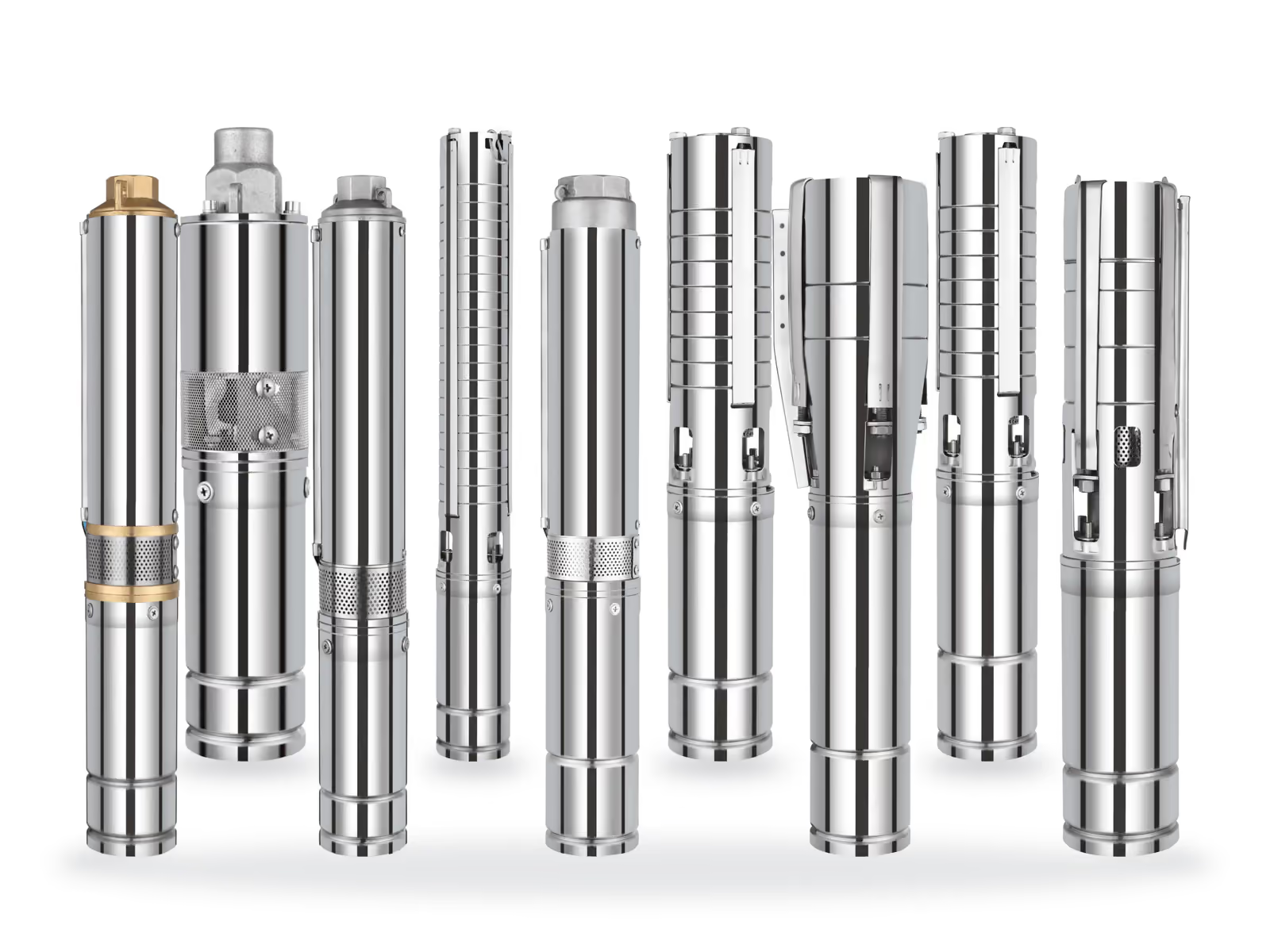
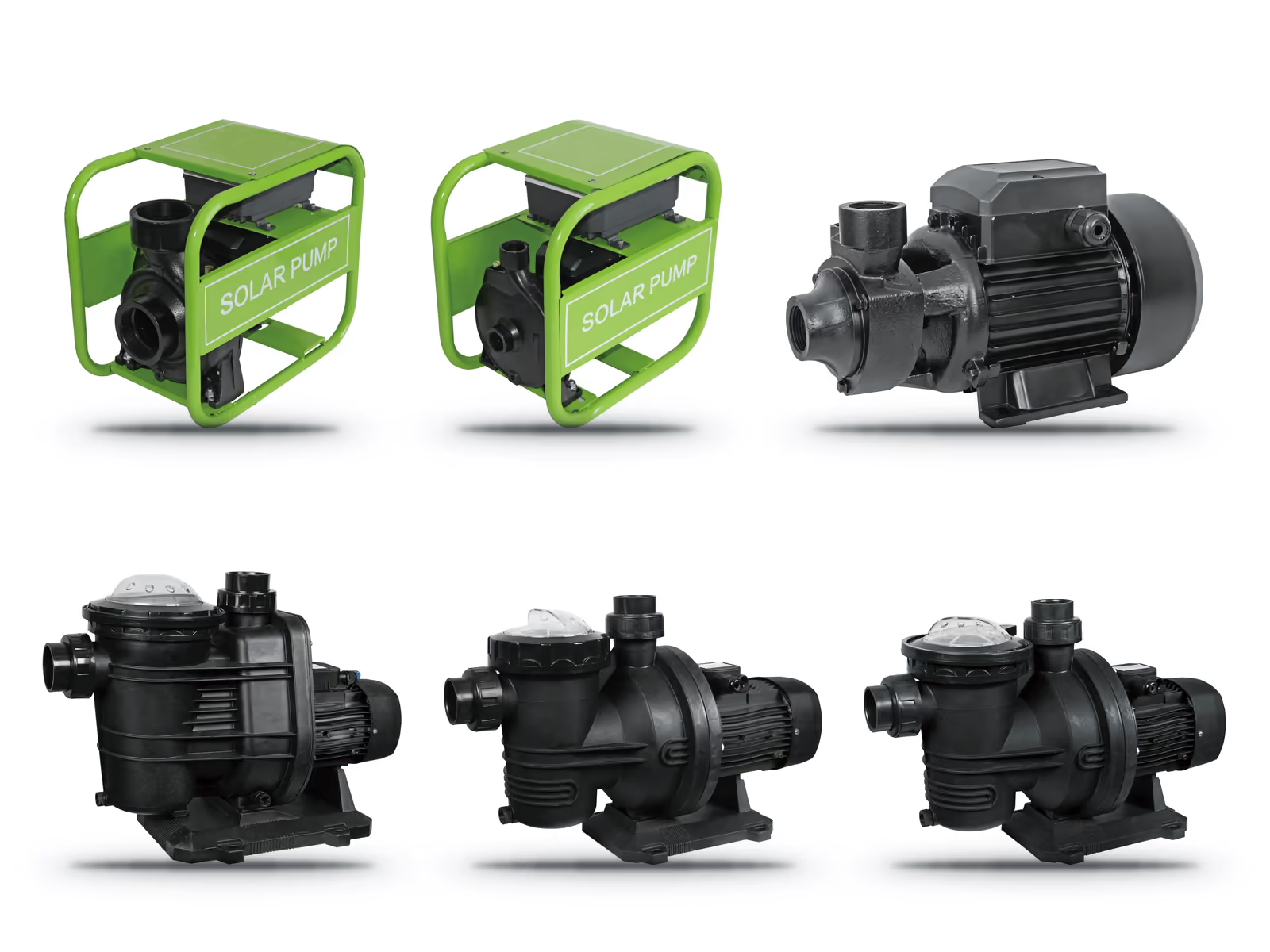
Solar Water Pumps by Water Source and Installation Type
Compare Rakour solar submersible pumps and solar surface pumps for boreholes, wells, tanks, reservoirs, canals and irrigation water transfer. Select the pump type by water source, installation position, required flow and total dynamic head.
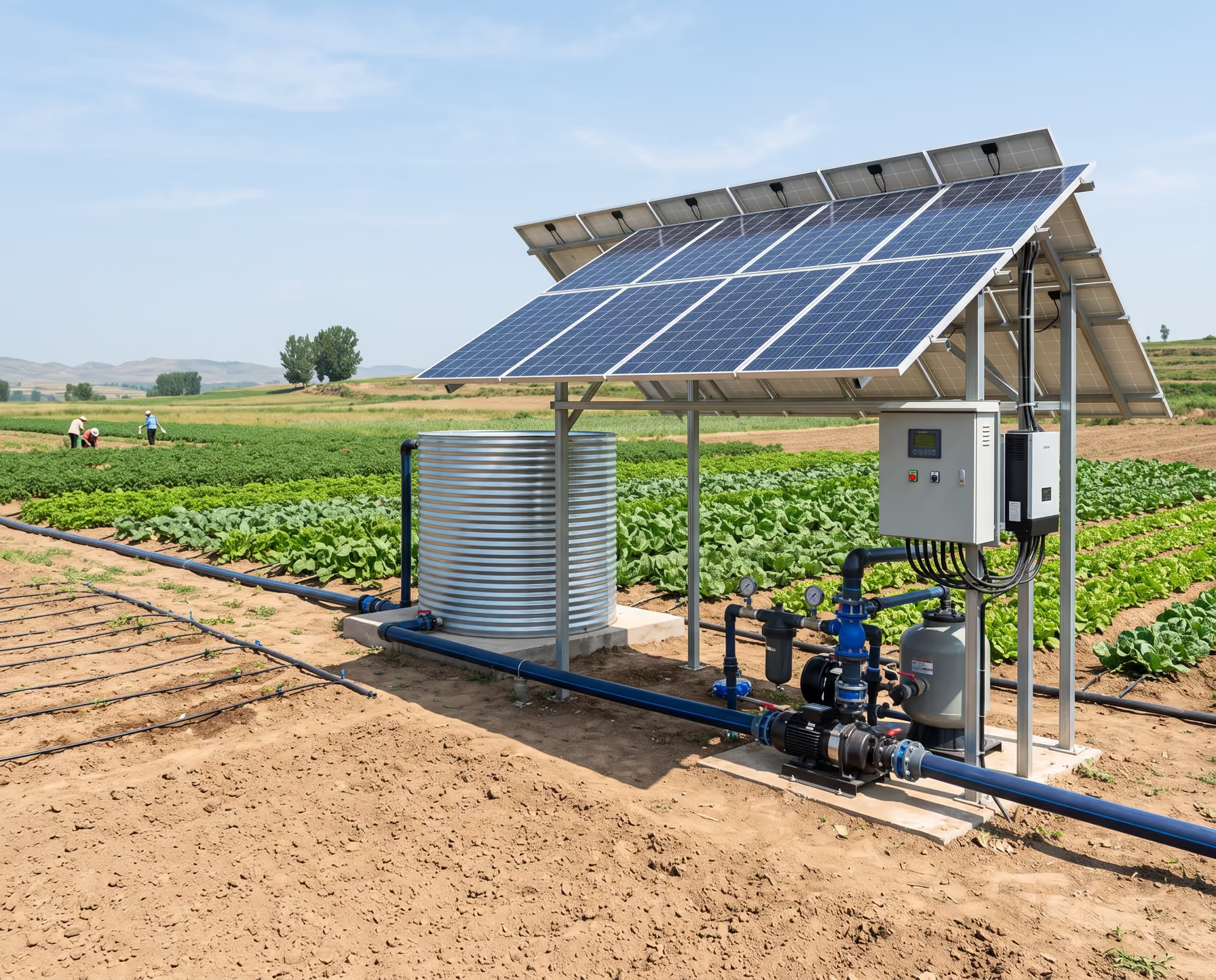
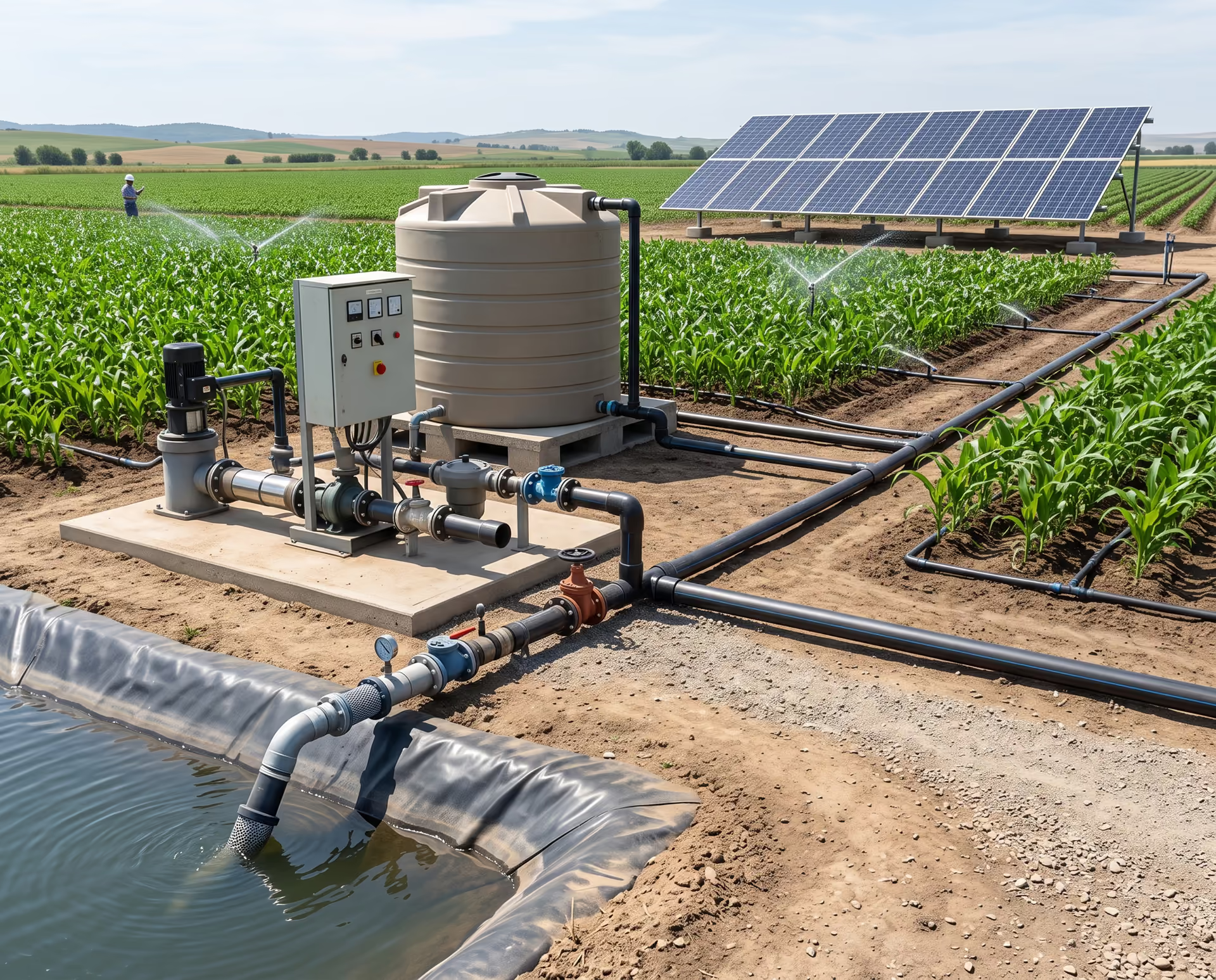
Plan the water path before choosing equipment
A reliable pumping system connects the source, pump, solar supply, pipework and delivery point around one operating requirement.
Solar pump sizing
How to Define a Solar Water Pump Duty Point
Correct solar water pump selection starts with measured site data. Define the water source and pumping level, daily water demand and target flow, total dynamic head, and delivery method before comparing pump curves or motor ratings.
- 01
Water source and pumping level
Identify the borehole, well, pond, canal, reservoir or tank. Measure static and pumping water levels, allow for seasonal drawdown, and determine whether a submersible or surface pump can operate safely.
- 02
Daily water demand and target flow
Calculate the required daily volume for irrigation, livestock or water supply, then divide it by the realistic productive solar pumping hours to establish the target operating flow.
- 03
Total dynamic head
Add the lift from pumping water level to delivery elevation, required outlet pressure, and friction losses through the complete pipe route, filters, valves and fittings.
- 04
Delivery method and operating conditions
Confirm whether the pump supplies irrigation directly, fills a storage tank or feeds a pressure-controlled network. Record the pipe route, operating schedule and changes in demand.
Complete system planning
Match every component to the same operating requirement
A solar water pump cannot be selected in isolation. Hydraulic demand, controller limits, solar input and the delivery arrangement must work together.
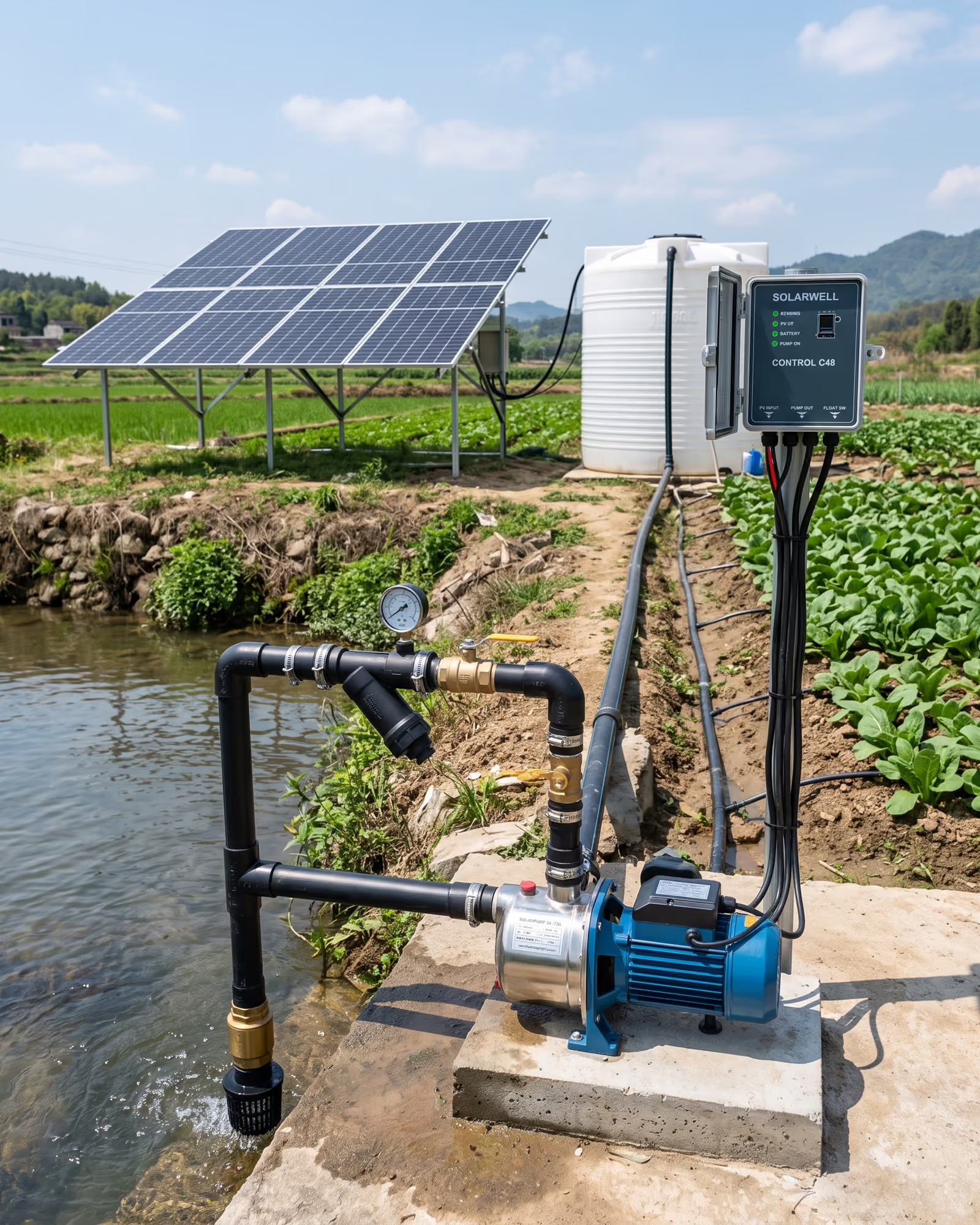
Start with the target flow at total dynamic head. Then verify that the selected pump curve covers seasonal changes in water level and delivery pressure.
Check the controller voltage window, solar array configuration, cable run, pipe diameter and storage strategy against the same design conditions before ordering equipment.
- 01
Pump and hydraulics
Confirm the required flow on the pump curve at the calculated total dynamic head.
- 02
Controller
Keep array voltage and current within the controller limits across expected temperatures.
- 03
Solar array
Size and configure the modules for the useful daily pumping window, not motor wattage alone.
- 04
Pipework and cable
Check friction loss, pipe velocity, voltage drop, route length and installation conditions.
- 05
Storage and delivery
Decide how variable solar production will be balanced with irrigation timing and pressure requirements.
Product range
Solar Water Pump Models
Compare Rakour DC solar submersible and surface pumps by voltage, power, maximum flow and maximum head for irrigation and off-grid water supply.
Solar Submersible Pumps
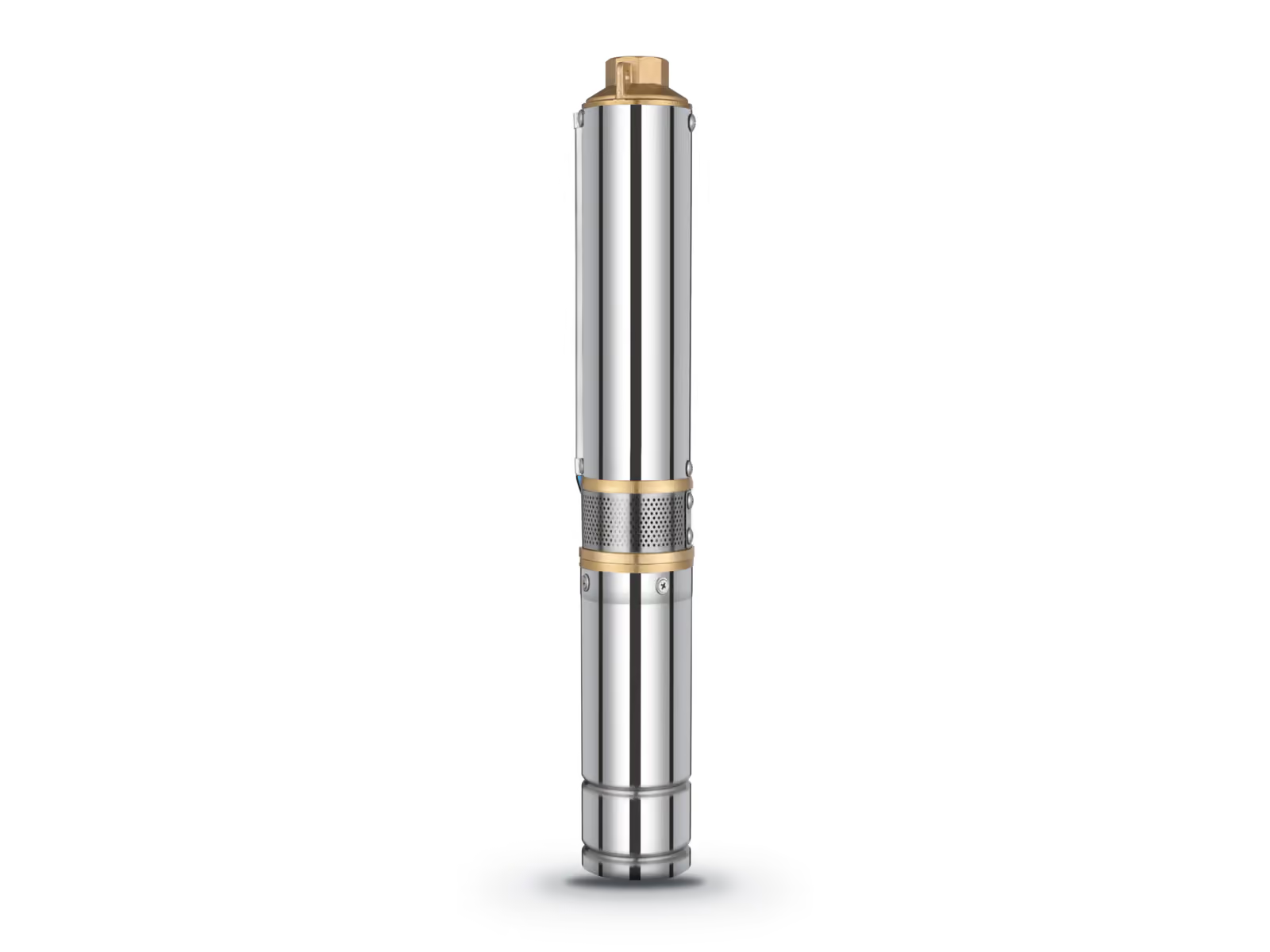
2-Inch 24V DC Solar Submersible Pump
2DPC1.5-35-24-200
- Rated voltage
- 24V DC
- Rated power
- 200W
- Maximum flow
- 1.5 m3/h
- Maximum head
- 35m
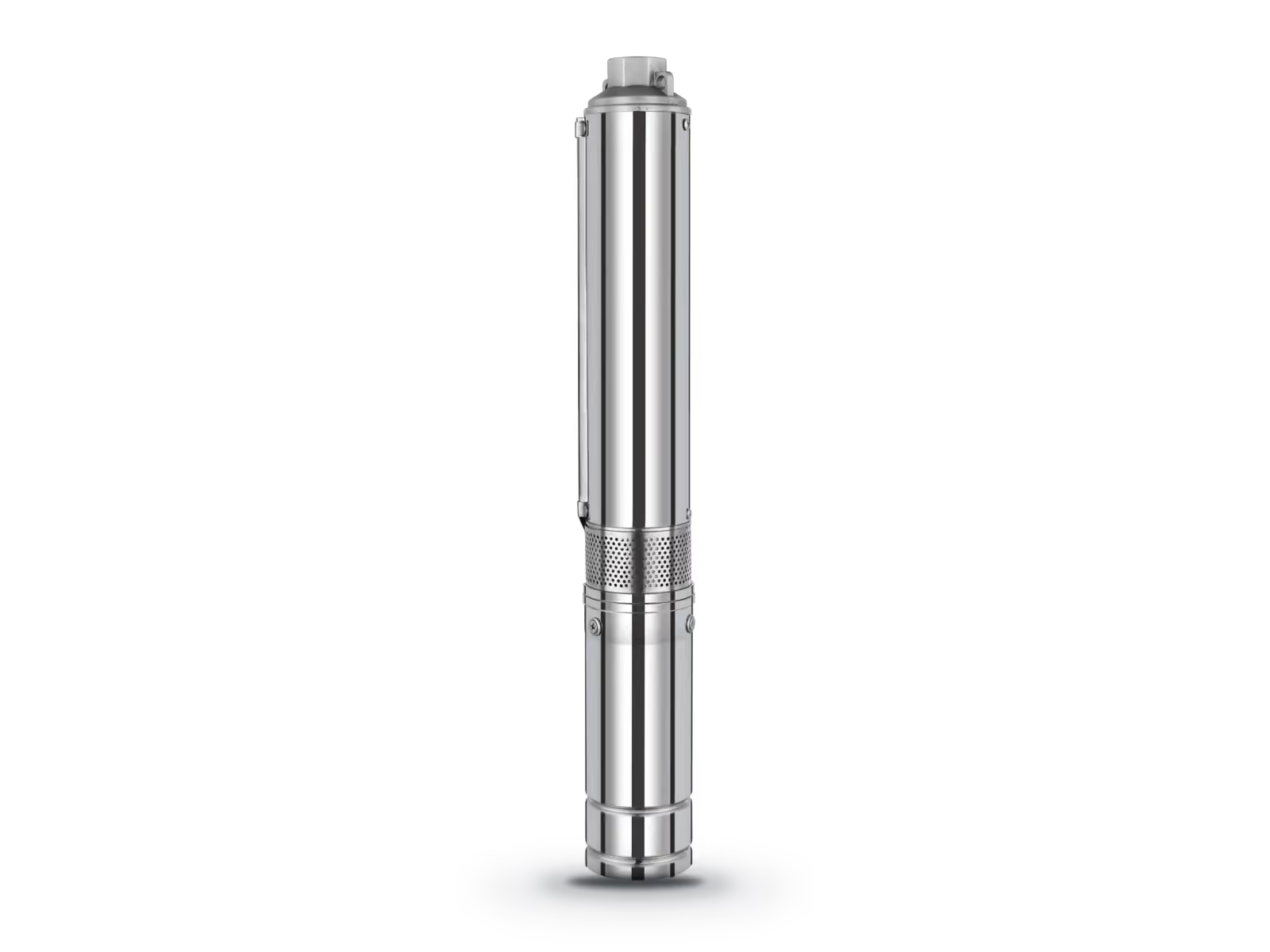
24V Solar Submersible Pump
3DPC3.5-35-24-300
- Rated voltage
- 24V DC
- Rated power
- 300W
- Maximum flow
- 3.5 m3/h
- Maximum head
- 35m
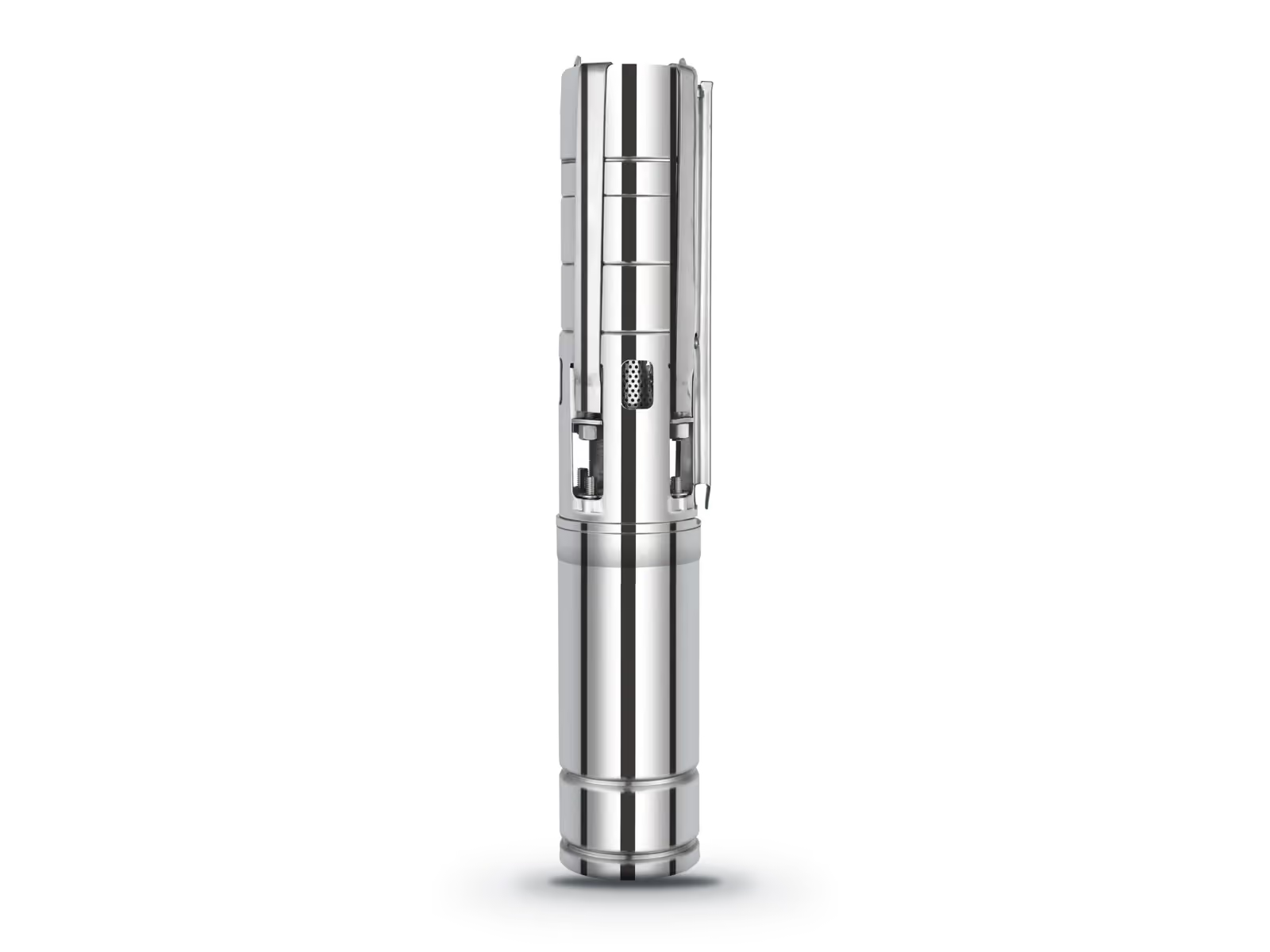
48V Solar Screw Pump
3DSS1.7-100-48-500
- Rated voltage
- 48V DC
- Rated power
- 500W
- Maximum flow
- 1.7 m3/h
- Maximum head
- 100m
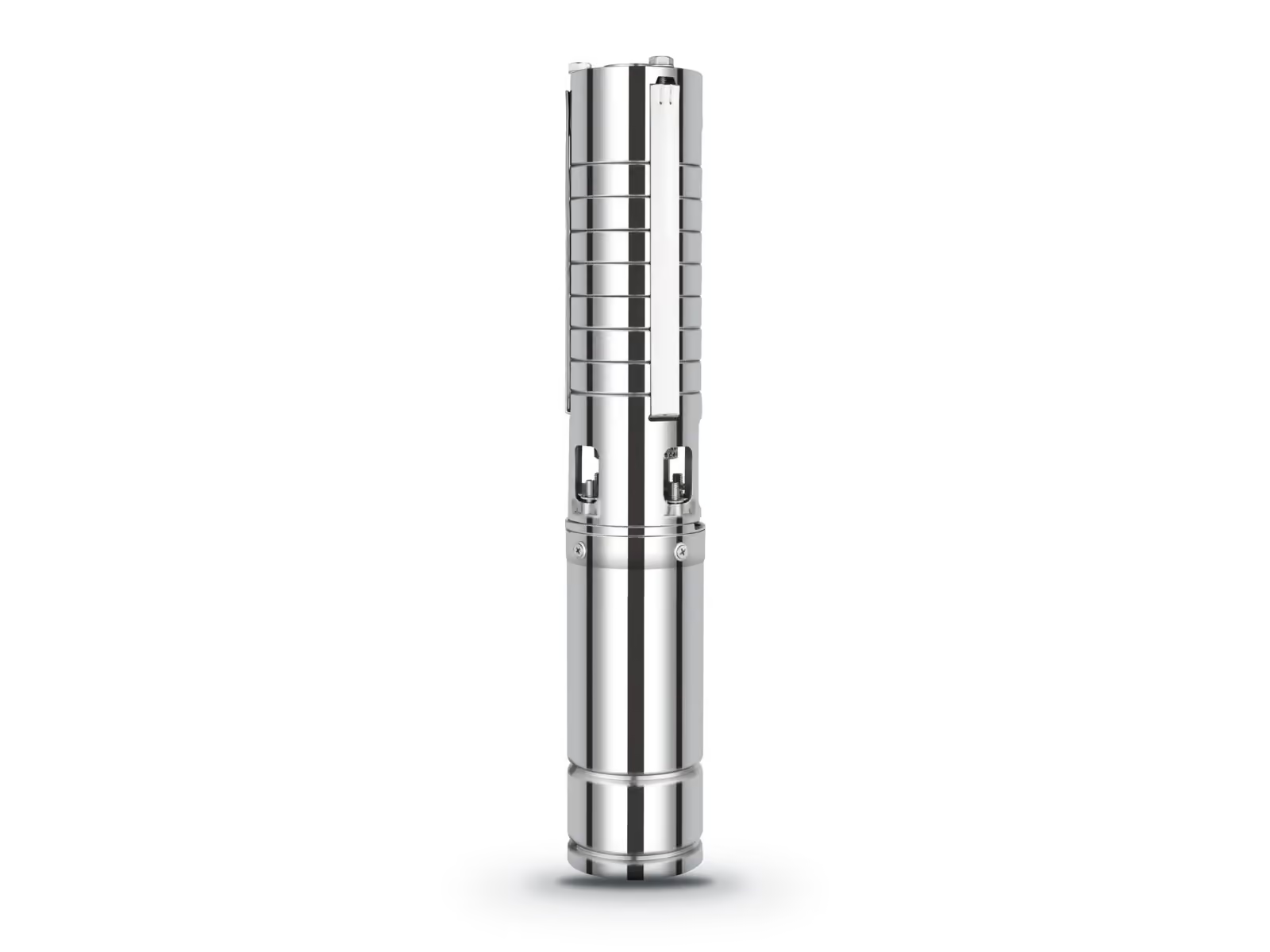
48V Solar Submersible Pump with Stainless Steel Impeller
4DSC3.5-50-48-400
- Rated voltage
- 48V DC
- Rated power
- 400W
- Maximum flow
- 3.5 m3/h
- Maximum head
- 50m
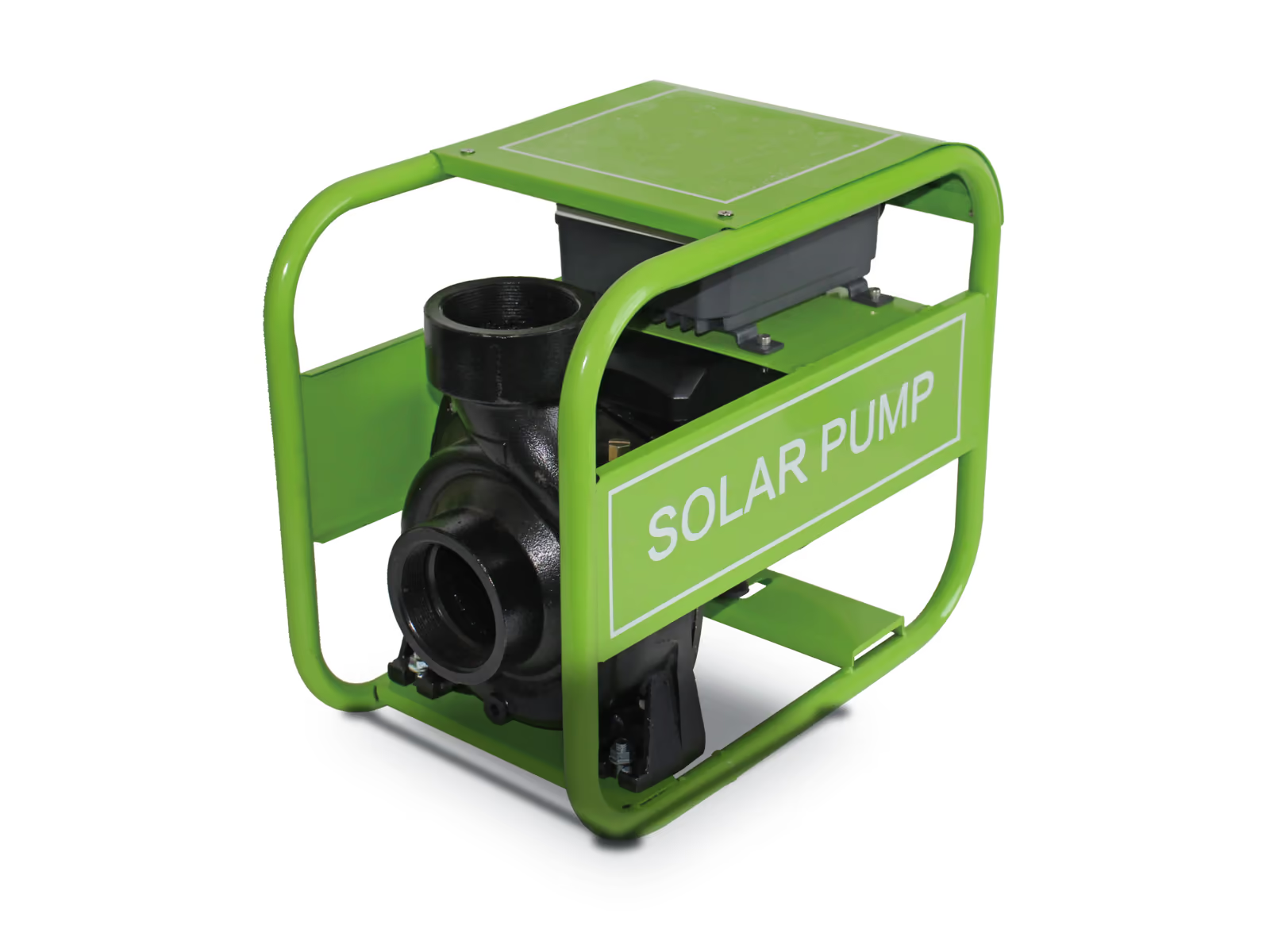
Solar Surface Pumps
Product and project support
Built around pump supply and practical project information
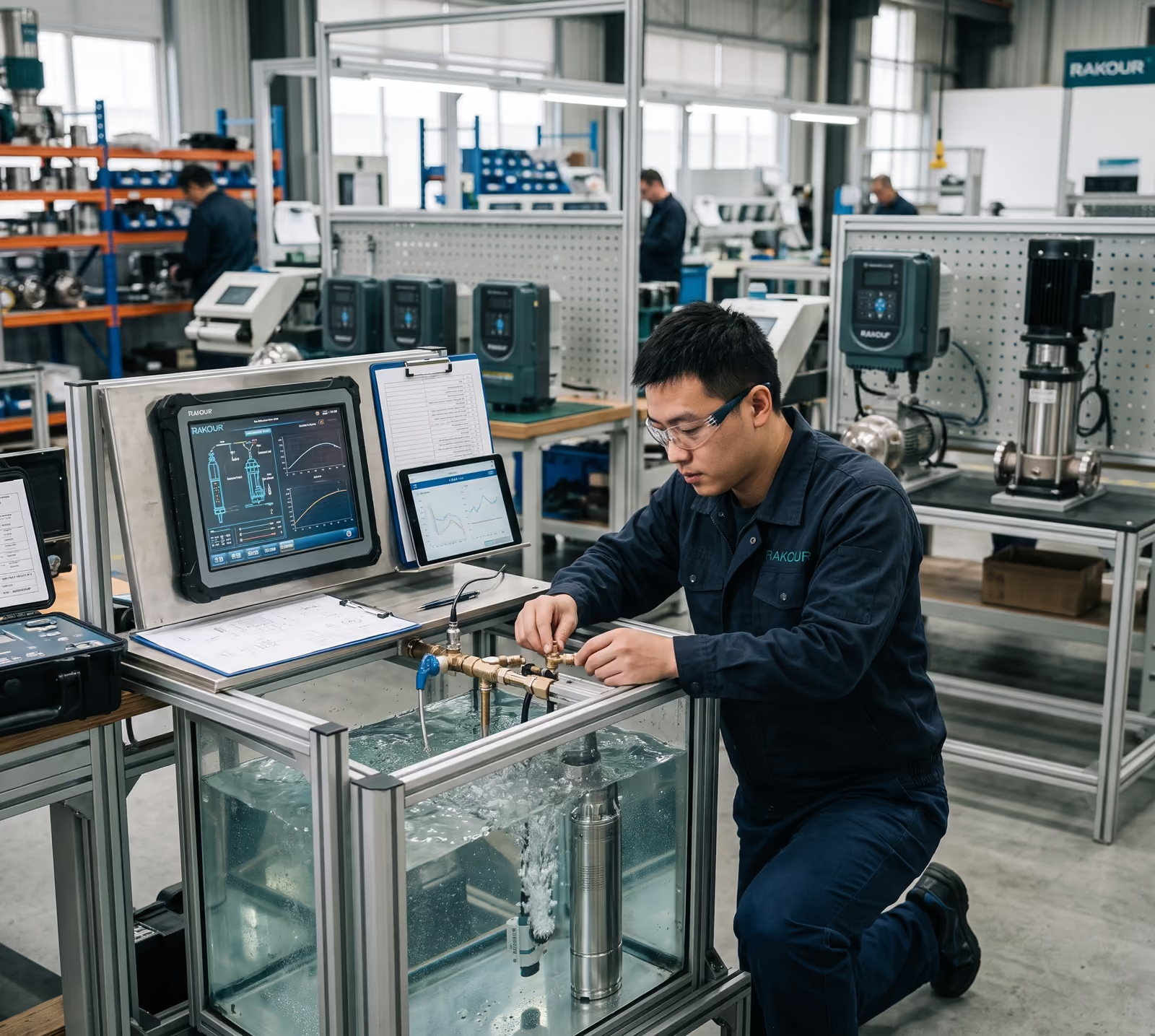
Rakour develops solar water pump products and supports distributors, installers and project teams with published specifications and application guidance.
A useful review starts with the water source, required flow, total head, power conditions and delivery arrangement rather than motor power alone.
Guides and insights
Latest solar water pump guidance
Read newly published guidance for selecting pumps, calculating the duty point and planning complete solar water systems.
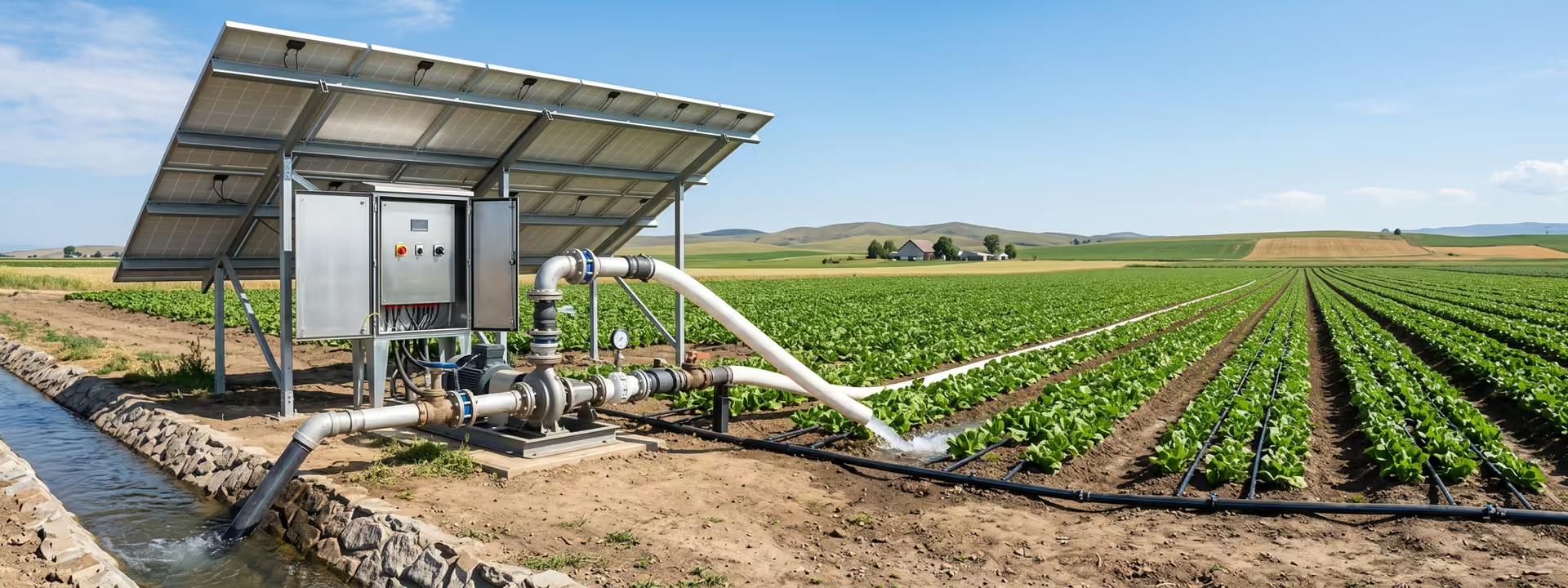
How to Choose a Solar Water Pump for Irrigation
A practical method for matching daily water demand, total dynamic head and available solar energy to the right irrigation pump.
Read articleBrowse guide series
Continue with a focused series covering one stage of solar water pump selection and system planning.
Common planning questions
Solar water pump questions before product selection
These answers define the information needed for an initial comparison. Final selection should use the current pump curve and measured site conditions.
What information is needed to select a solar water pump?
Provide the water source, pumping water level, vertical lift, pipe length and diameter, required daily volume, target flow, outlet pressure, project location and preferred delivery arrangement.
Should a pump be selected by maximum flow or maximum head?
No. Maximum flow is normally measured near zero head, while maximum head occurs near zero flow. Select the model from its performance curve at the required flow and total dynamic head.
When should a submersible pump be used instead of a surface pump?
A submersible pump operates below the water level and is commonly used in boreholes, wells and tanks. A surface pump is suited to accessible sources where suction conditions remain within the pump limit.
Does the solar array need to be larger than the pump motor rating?
Often yes, because real module output changes with sunlight, temperature, dust and installation angle. The final array must also remain within the controller voltage and current limits.
Is water storage required for a solar pumping system?
Not always. Storage can separate daylight pumping from irrigation timing and reduce dependence on batteries. Direct pumping can work when the irrigation network accepts variable solar production.
Why are pipe length and diameter important?
Pipe friction adds to total dynamic head. A long or undersized pipe can reduce delivered flow and move the real operating point away from the original pump selection.
Project inquiry
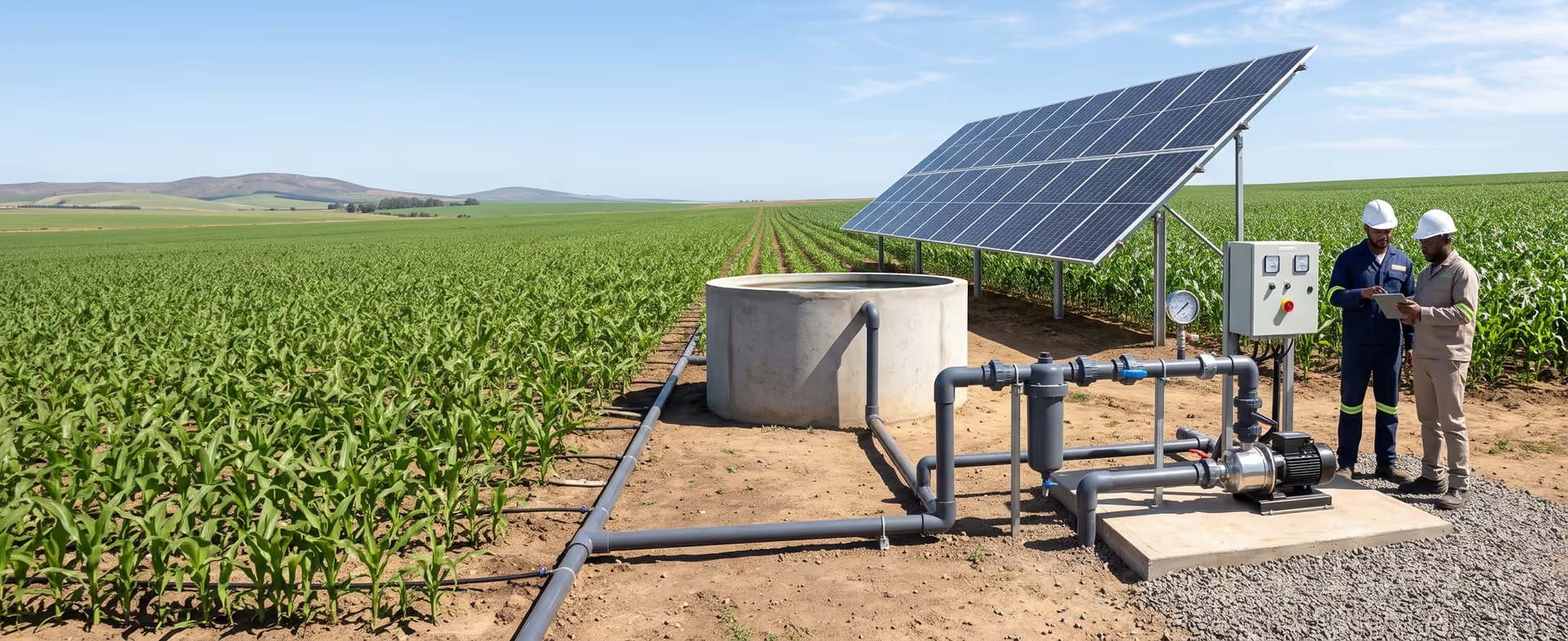
Bring the water requirement into one project brief
Share the source, pumping water level, daily volume, target flow, total head, pipe route, outlet pressure and project location for a focused product discussion.