
Rakour pump range
Solar Water Pumps
Compare solar pumps for wells, reservoirs, irrigation and remote water supply using real duty-point data.
- Published models
- 5 models
- Rated voltage
- 24V or 48V DC
- Maximum flow range
- 1.5 to 15 m3/h
- Maximum head range
- 14 to 100m
Four submersible pumps and one surface pump.
Confirm the pump, controller and array voltage together.
Catalogue limits vary by model and operating head.
Maximum head is not produced at maximum flow.
Range overview
Start with the water source and duty point
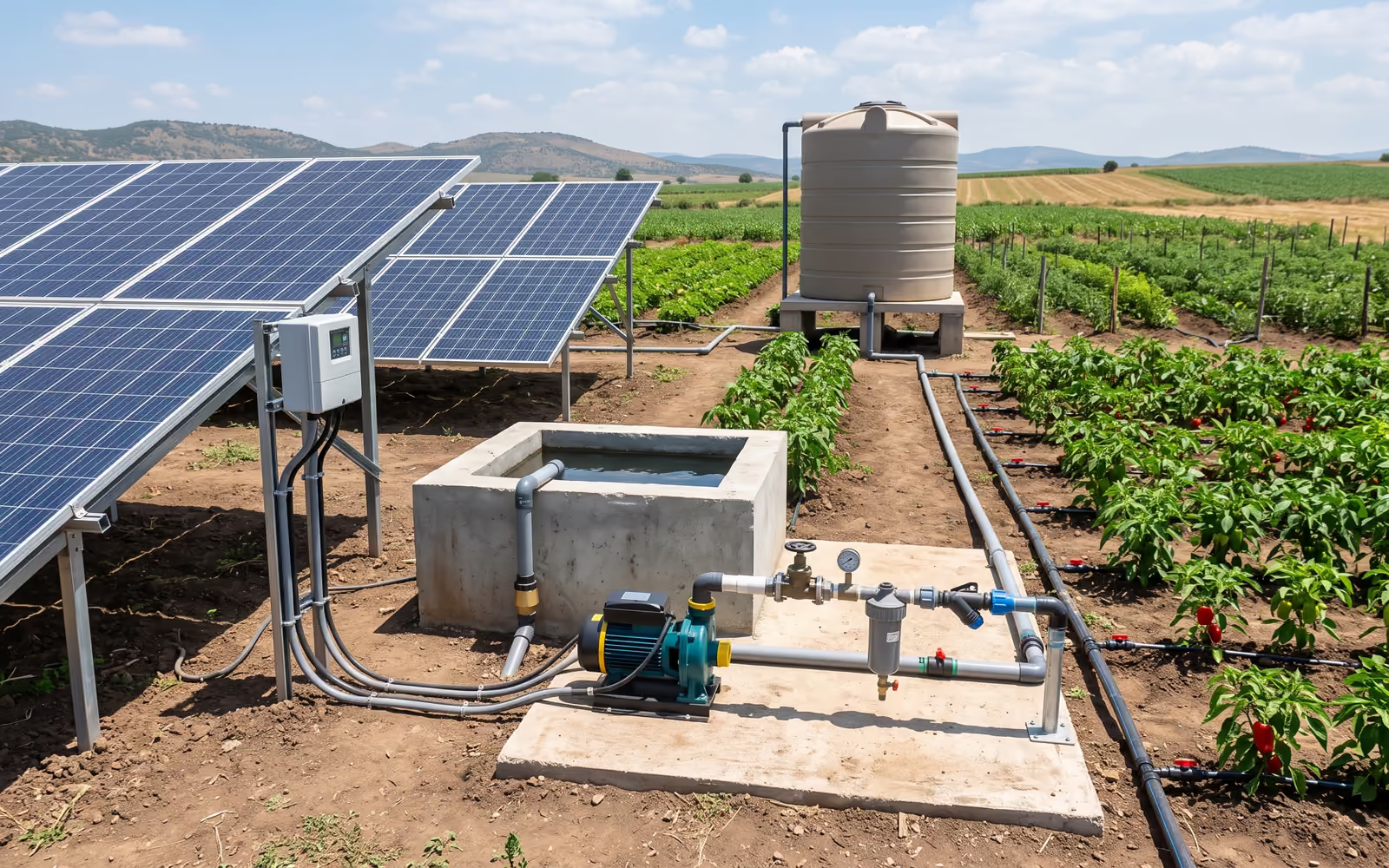
A solar water pump converts electricity from a photovoltaic array into water movement without depending on a local grid connection. The pump is one part of a complete system that also includes a controller, cable, pipework, fittings, protection and either storage or a final water outlet.
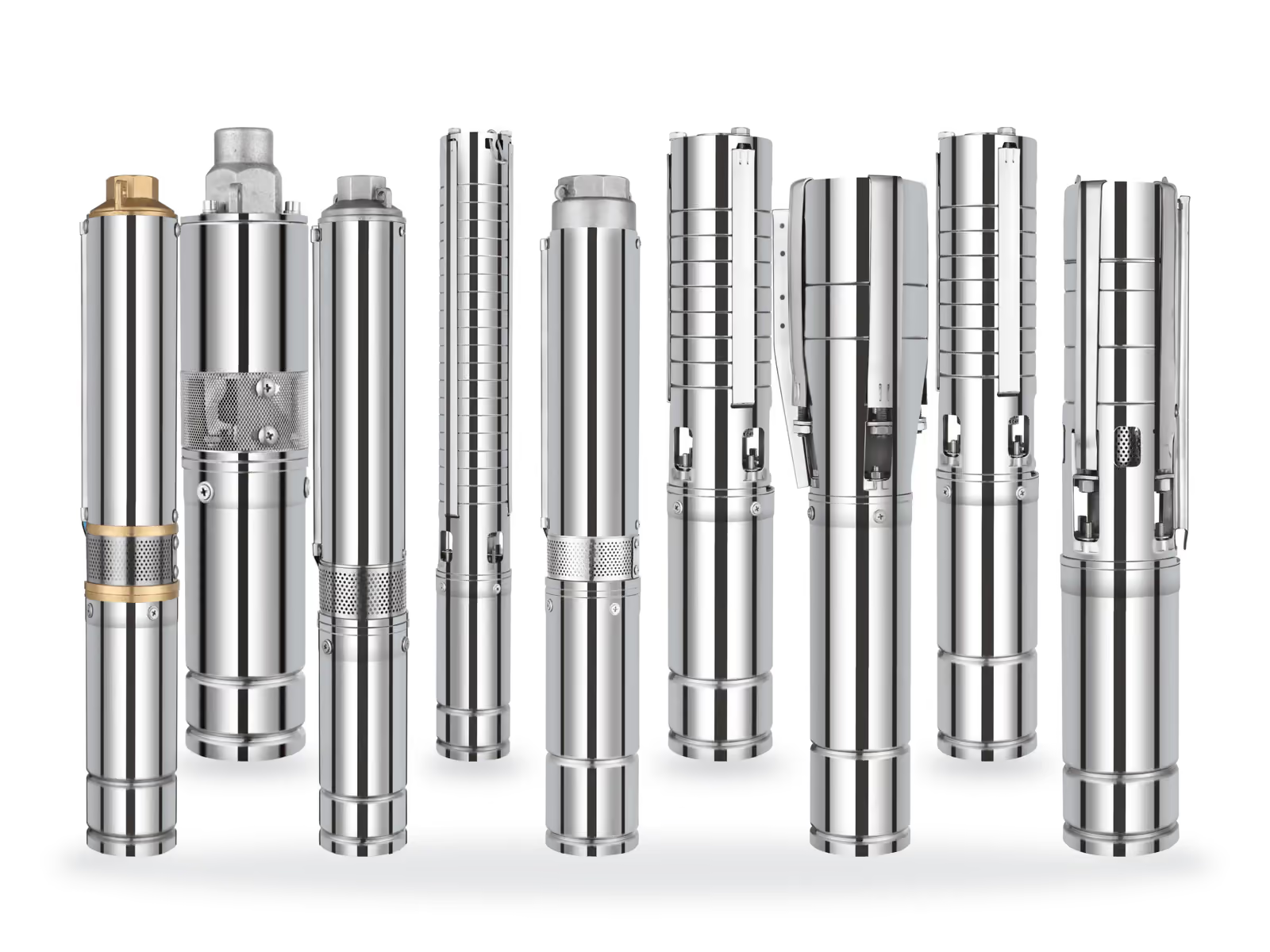
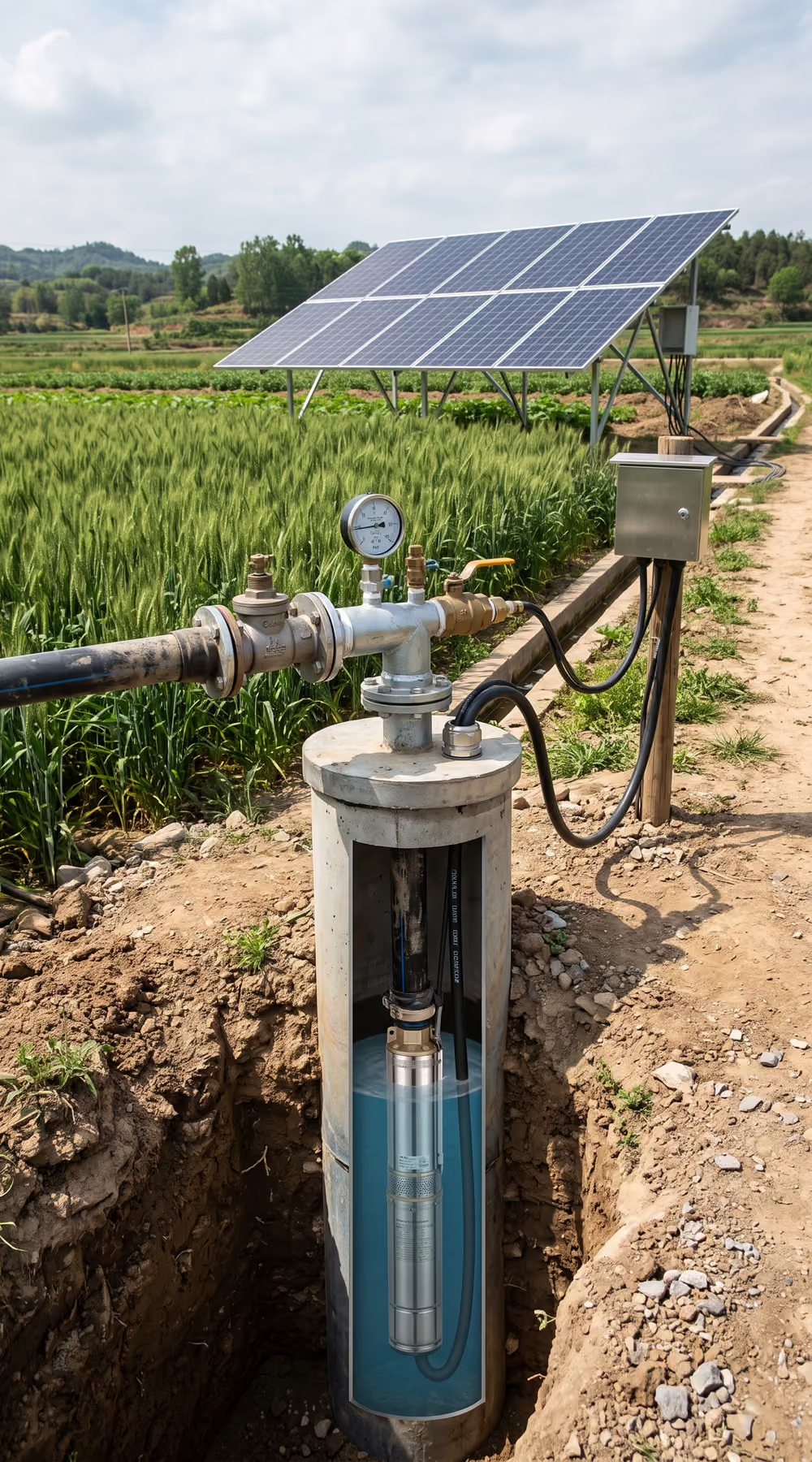
The first category decision is where the pump will operate. A submersible pump works below the water surface and is commonly evaluated for wells and boreholes. A surface pump remains outside the source and can suit reservoirs, canals or tanks when inlet conditions are controlled.
Choose the category that matches the water source
Enter the relevant product cluster first. Each category page explains the installation format, selection limits, available models and application fit in more detail.
4 models
Solar Submersible Pumps
Compare compact DC submersible pumps for wells, tank filling, irrigation and remote water supply.
- Rated voltage
- 24V or 48V DC
- Maximum flow range
- 1.5 to 3.5 m3/h
- Maximum head range
- 35 to 100m
1 model
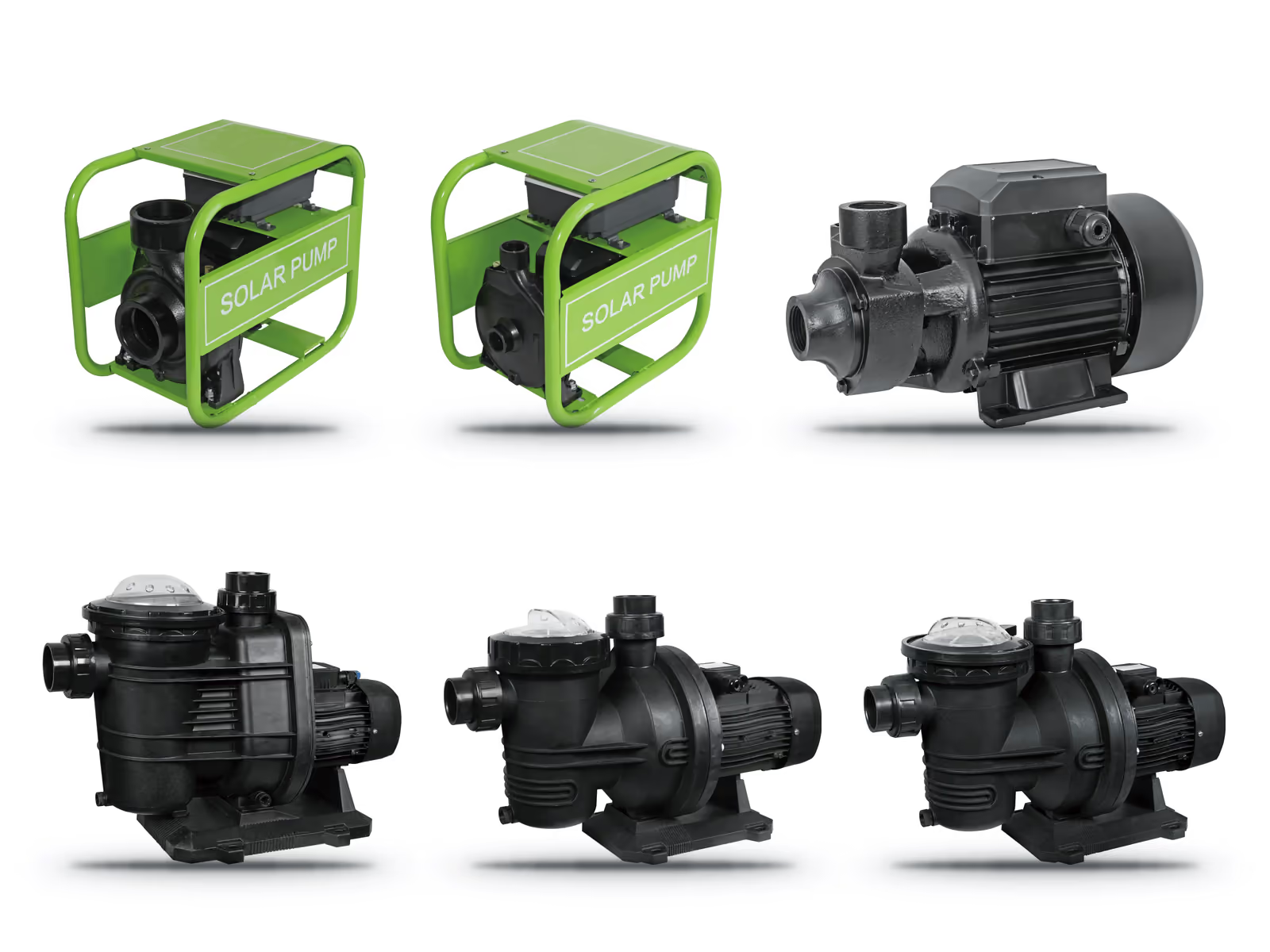
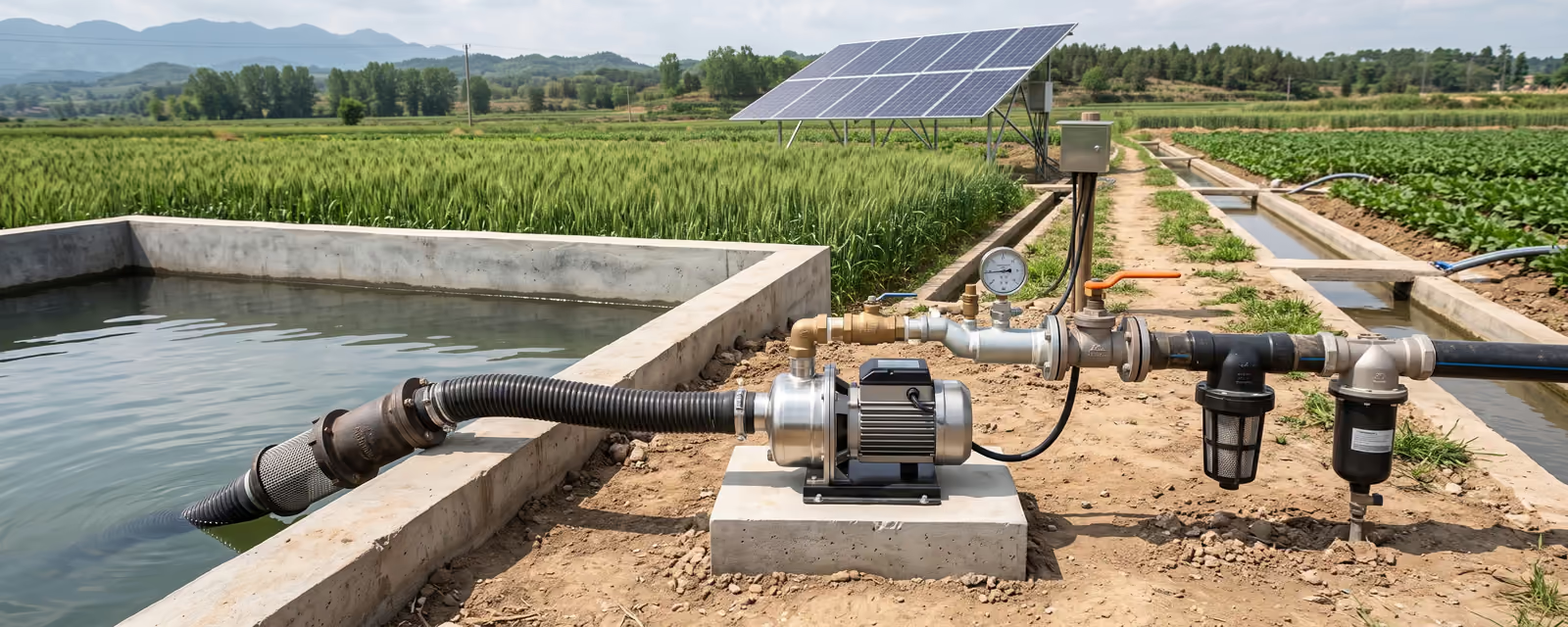
Solar Surface Pumps
Compare accessible surface-mounted DC pumps for reservoirs, canals, tanks and low-head irrigation water transfer.
- Rated voltage
- 48V DC
- Maximum flow
- 15 m3/h
- Maximum head
- 14m
Model directory
Review every published Rakour solar pump
Use this directory for initial screening, then open the category and product pages for verified electrical data, hydraulic limits and installation notes.
| Model | Rated voltage | Rated power | Maximum flow | Maximum head | View product |
|---|---|---|---|---|---|
| Solar Submersible Pumps 4 models | |||||
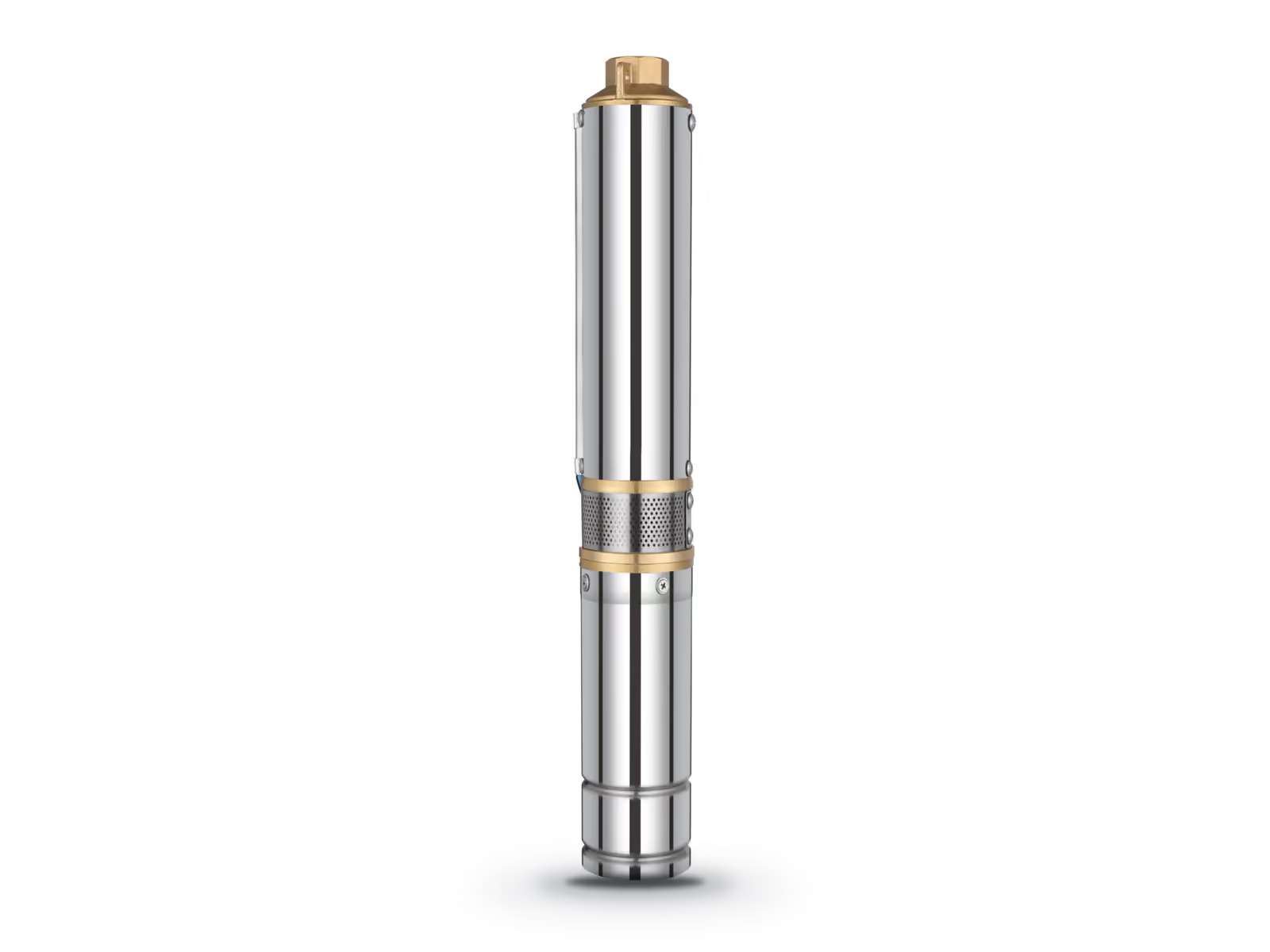 2DPC1.5-35-24-200 2-inch DC solar submersible pump with plastic impeller | 24V DC | 200W | 1.5 m3/h | 35m | View product |
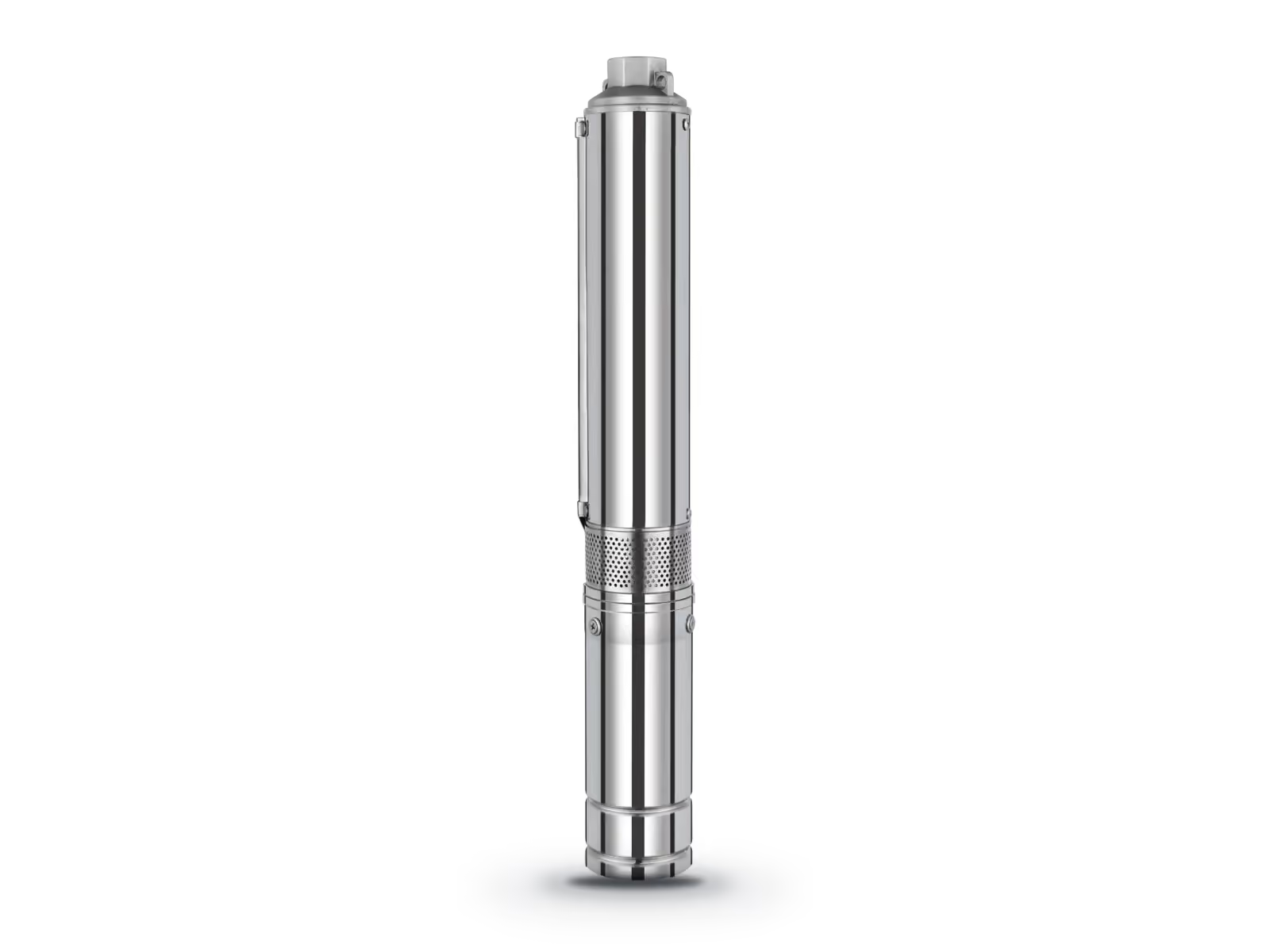 3DPC3.5-35-24-300 24V Solar Submersible Pump | 24V DC | 300W | 3.5 m3/h | 35m | View product |
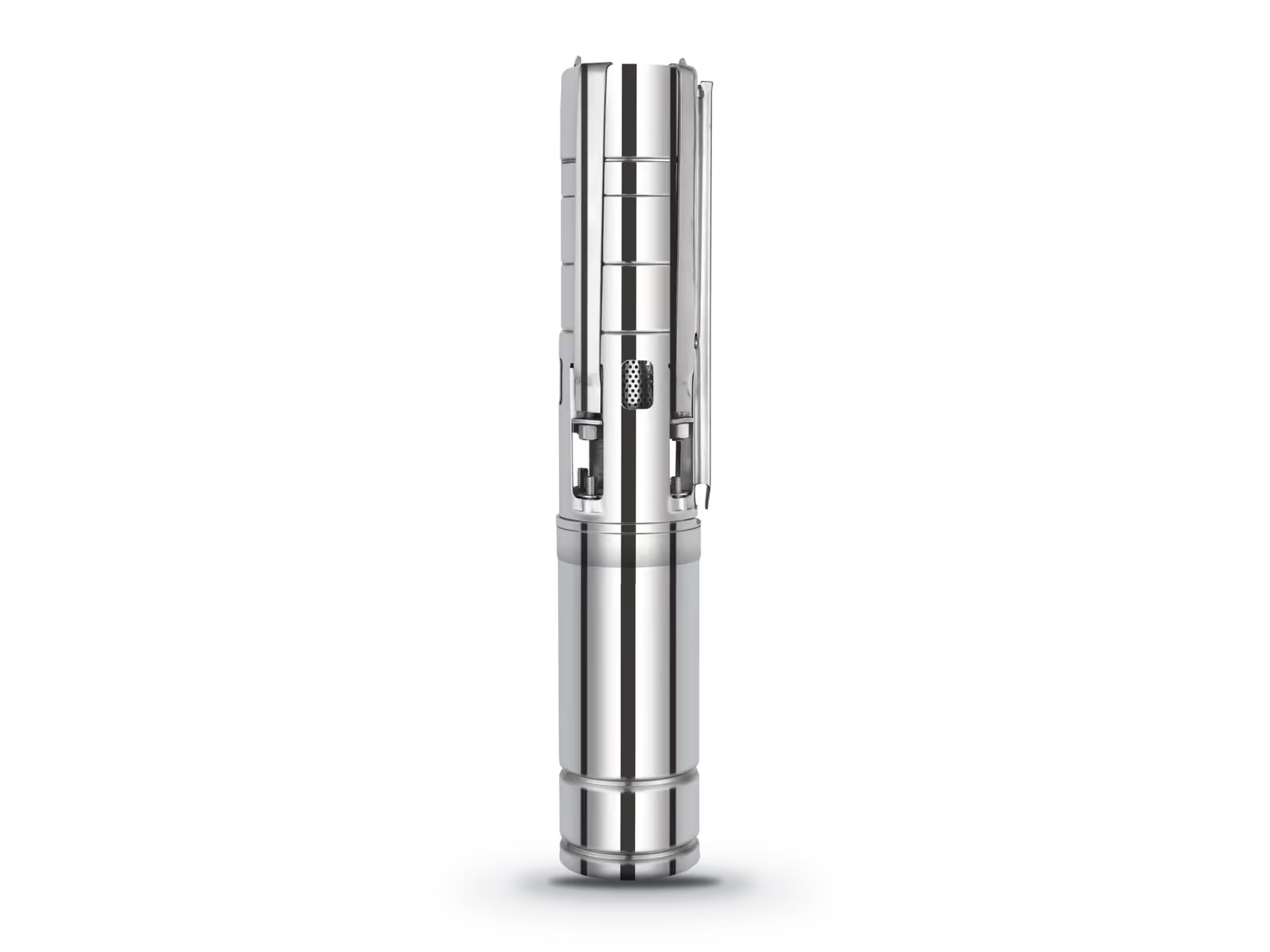 3DSS1.7-100-48-500 48V Solar Screw Pump | 48V DC | 500W | 1.7 m3/h | 100m | View product |
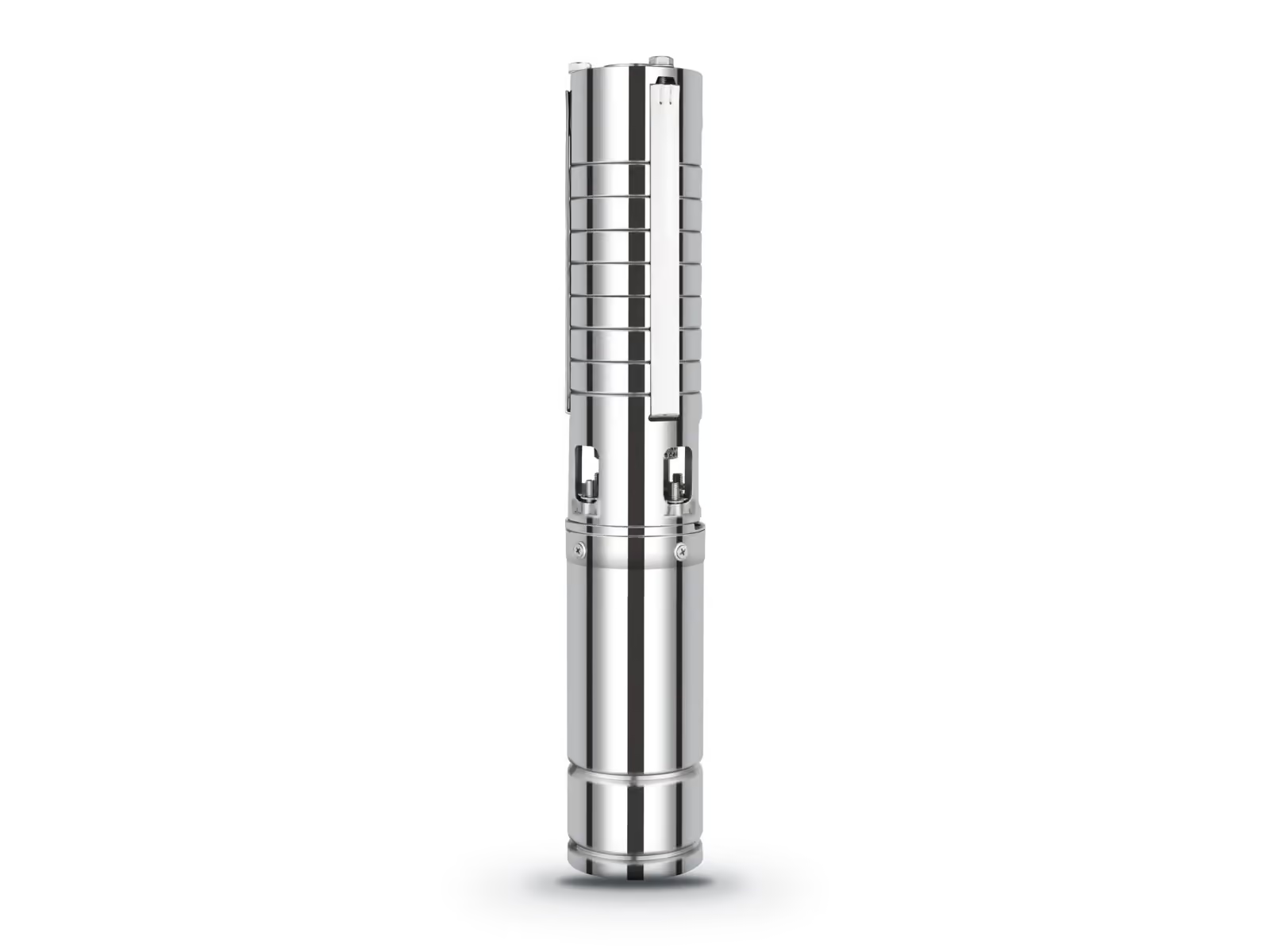 4DSC3.5-50-48-400 48V Solar Submersible Pump with Stainless Steel Impeller | 48V DC | 400W | 3.5 m3/h | 50m | View product |
| Solar Surface Pumps 1 model | |||||
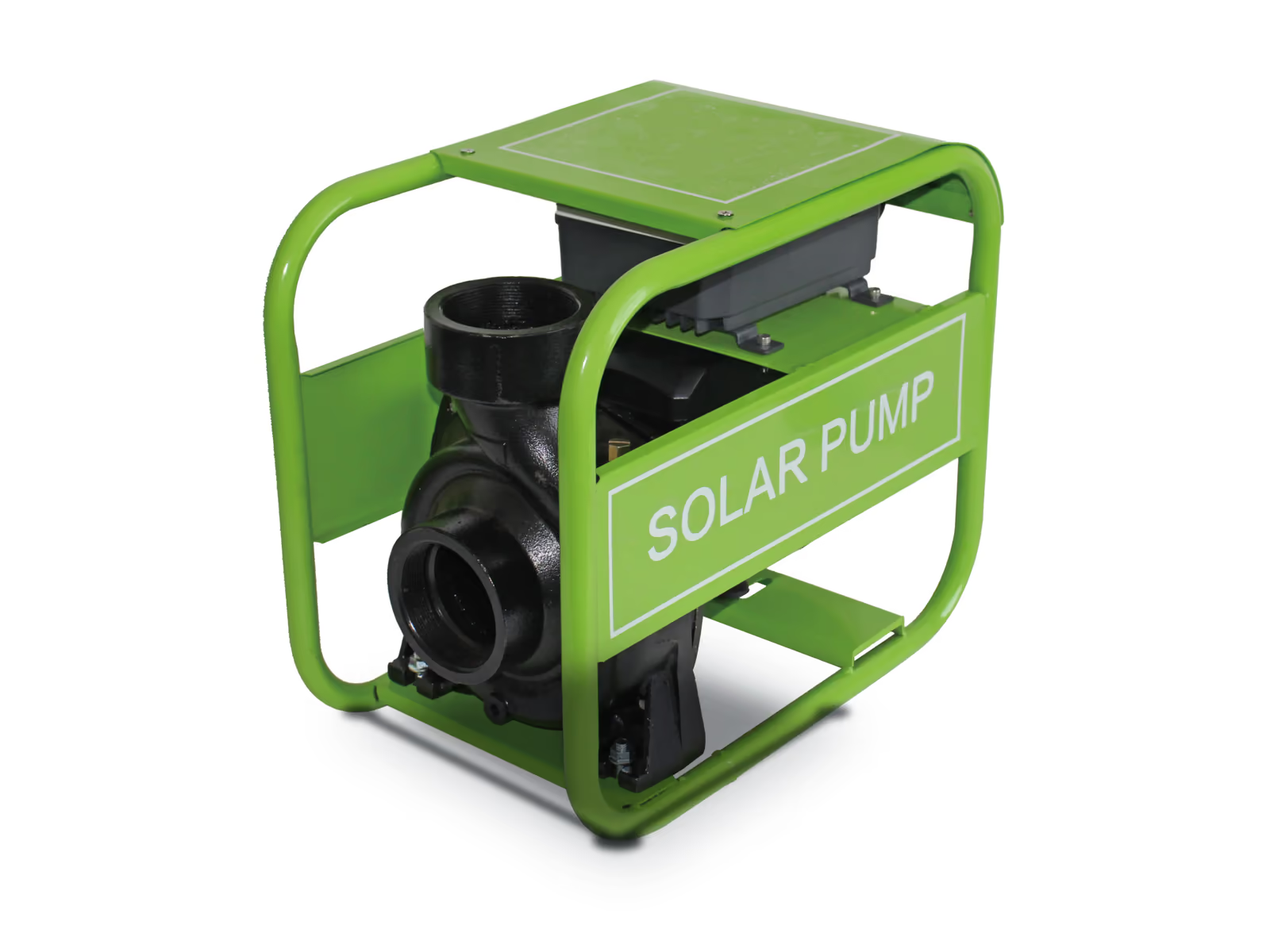 DCPM15-14-48-550 48V Solar Surface Pump | 48V DC | 550W | 15 m3/h | 14m | View product |
Selection guide
Five inputs define the useful operating point
A reliable selection connects the source, water demand, delivery route and solar input before a model is confirmed.
Identify the water source
Record whether water comes from a borehole, well, reservoir, canal or tank. Include seasonal water-level changes, available depth and any restrictions on pump position.
Calculate total dynamic head
Combine pumping water level, delivery elevation, pipe friction, fittings, filters and the pressure required at the final outlet. Well depth alone is not total head.
Define flow and daily volume
State the required operating flow or calculate it from daily water demand and realistic productive pumping hours. Include storage refill time and irrigation zoning.
Check the complete pipe route
Record pipe length, internal diameter, bends, valves and outlet requirements. Long or narrow pipe can consume a significant part of the available pump head.
Match electrical limits
Confirm pump voltage, optimum DC input, array open-circuit voltage, controller compatibility, cable length and local module temperature before finalizing the solar array.
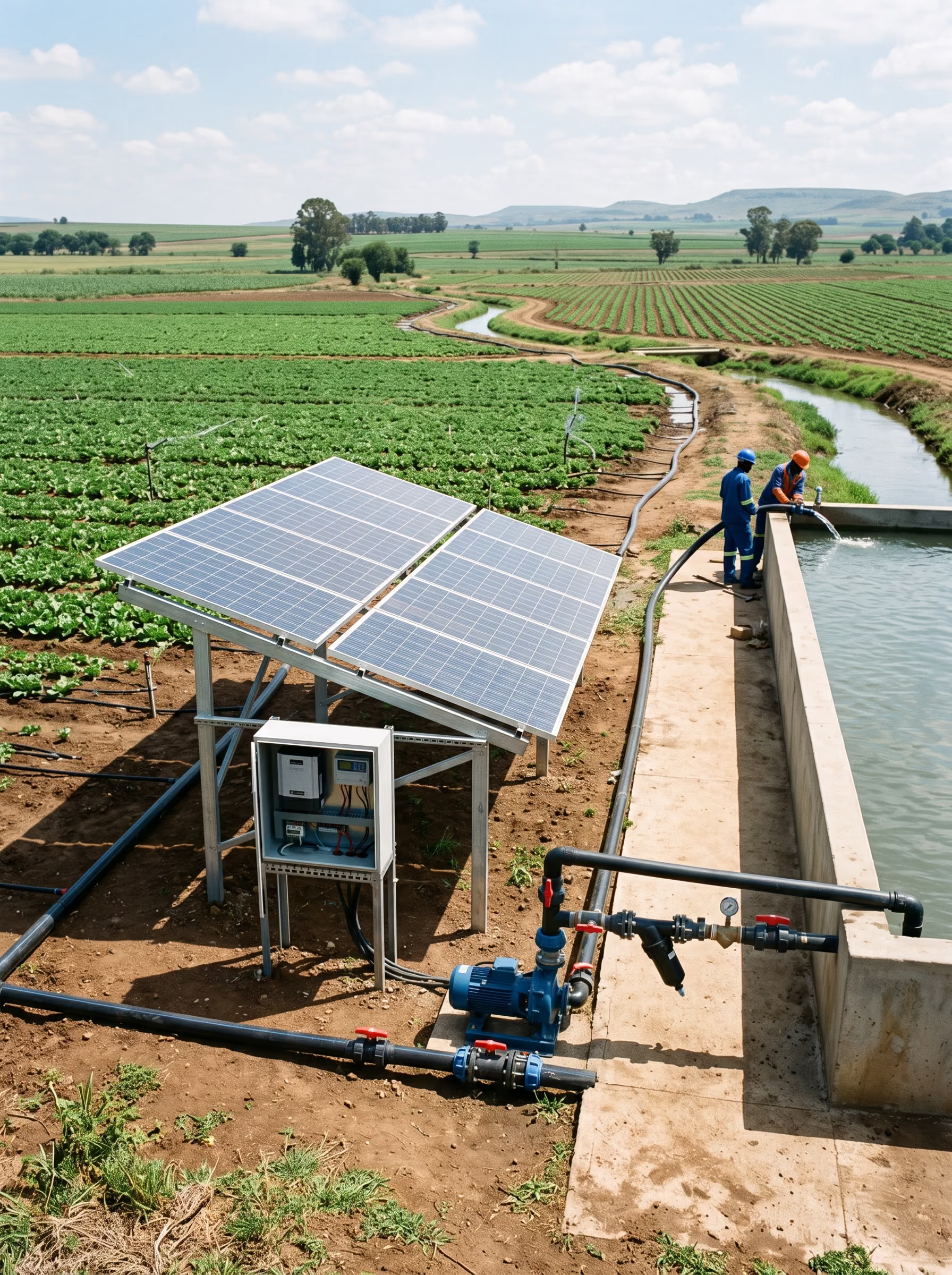
Solar pumping duties across the complete water path
The same pump category can serve different applications, but every project must be checked against its own flow, head and delivery requirements.
Wells and boreholes
Use a submersible format where the pump must operate below the water surface. Confirm casing diameter, static level, pumping level, drawdown and installation depth.
Agricultural irrigation
Calculate crop water demand, active zone flow, filter loss and field pressure. Decide whether the pump supplies irrigation directly or fills storage for later distribution.
Daytime tank filling
Convert the required tank volume and refill window into an average flow. Check the vertical rise, pipe route and expected productive solar hours.
Reservoir and canal transfer
A surface pump can be evaluated where the source is accessible and the inlet arrangement remains suitable. Include suction conditions in the system calculation.
Remote water supply
Coordinate the source, storage, delivery route and controls where grid power is unavailable. Define daily volume before increasing pump or array size.
Plan one hydraulic and electrical system
Each component must support the same operating point. A mismatch anywhere in the water path can reduce flow, increase loss or move the pump outside its intended range.
Solar array
Configure module voltage and power for the published operating window, local temperature and required daily pumping time.
Pump controller
Confirm compatibility with the pump and array, including voltage limits, protection functions and any level-control inputs.
Water pump
Select the pump from required flow at total dynamic head, not motor power or maximum catalogue values alone.
Cable and protection
Size cable for the installed length and current, then plan suitable joints, electrical protection and environmental sealing.
Pipe and fittings
Use the actual internal diameter, route, valves, filters and outlet pressure to calculate hydraulic loss.
Storage or delivery
Confirm whether water enters a tank, open outlet or pressure-controlled network and whether that destination accepts changing solar output.
Prepare the facts needed for pump selection
A concise site brief lets Rakour compare the requirement with the relevant category, product data and system limits without relying on assumptions.
Source and available dimensions
State the source type, bore or casing diameter, available installation space and any intake restrictions.
Static and pumping water levels
Provide the resting water level, expected level while pumping and known seasonal variation or drawdown.
Delivery elevation and pipe route
Record vertical rise, pipe length, internal diameter, fittings, valves, filters and the final delivery point.
Required flow or daily volume
Define the target operating flow, daily demand, pumping window and any storage capacity or irrigation zones.
Outlet pressure and application
State whether the system fills a tank, supplies an open outlet or feeds irrigation equipment that requires pressure.
Project location and solar conditions
Provide the installation location, seasonal operating period, available module area, shading and expected cable route.
Solar water pump FAQ
Direct answers to common questions about category choice, hydraulic selection and solar system planning.
What is a solar water pump?
A solar water pump uses electricity produced by photovoltaic modules to move water. A complete installation normally includes the pump, a compatible controller, solar array, cable, pipework, protection and either storage or a final delivery network.
Should I choose a submersible pump or a surface pump?
Choose from the water source and installation conditions. Submersible pumps operate below the water level and are commonly used in wells and boreholes. Surface pumps remain outside the source and can suit accessible reservoirs, canals or tanks when inlet conditions are suitable.
How is a solar water pump sized?
Define the required flow or daily volume, calculate total dynamic head and check that duty point against verified pump performance data. Then confirm the electrical operating range, controller, solar array, cable and installation requirements.
Does maximum flow occur at maximum head?
No. Maximum flow and maximum head normally describe opposite ends of a pump curve. The expected flow decreases as total head rises, so selection must use the required operating point rather than combining both maximum values.
Can a solar pump operate without batteries?
Yes. Many systems pump directly during productive sunlight or fill a storage tank for later use. The preferred arrangement depends on daily demand, required delivery time and whether the final system can accept changing flow.
Can one solar pump supply irrigation directly?
It can be evaluated for direct irrigation when the expected pump flow and pressure match the active irrigation zone. Pipe friction, filters, valves, elevation and field pressure must all be included in the duty-point calculation.
What information should I send before requesting a pump recommendation?
Send the water source, static and pumping levels, required daily volume or target flow, delivery elevation, pipe length and diameter, outlet pressure, project location, operating schedule and available solar installation conditions.
Match the pump range to your water requirement
Share the source, required flow, total dynamic head, pipe route, outlet pressure and project location for a focused product and system review.